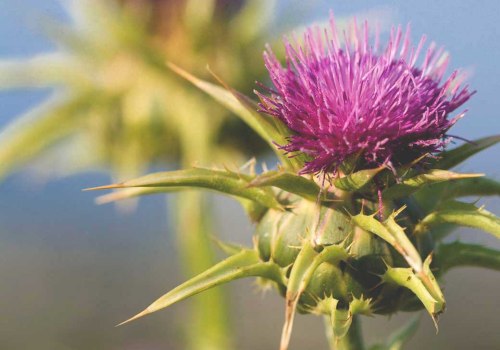
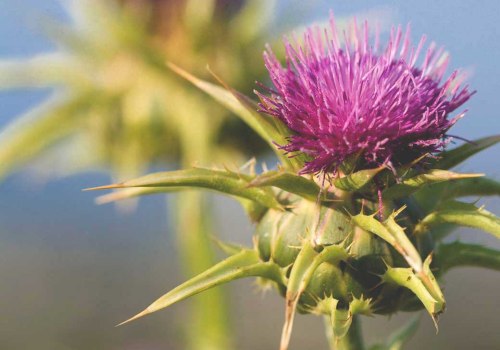
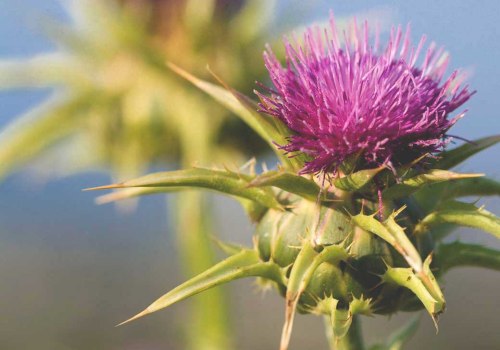
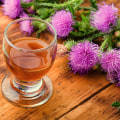
Milk thistle, scientifically known as Silybum marianum, is a flowering plant that has been revered for centuries for its remarkable health benefits, particularly concerning liver health. This herb, native to the Mediterranean region, has a rich history of use in traditional medicine, dating back to ancient Greece and Rome. It was often employed by herbalists to treat various ailments, with a strong emphasis on liver-related conditions. The seeds of milk thistle contain a powerful compound called silymarin , which is believed to be the key player in its therapeutic effects.As a natural remedy, milk thistle has gained significant attention in modern herbal medicine, especially among those seeking alternatives to conventional treatments for liver issues.
Its reputation as a liver protector stems from its antioxidant properties, which help combat oxidative stress and inflammation in liver cells. This makes it particularly appealing for individuals dealing with liver diseases such as fatty liver disease, hepatitis, and cirrhosis. The growing interest in natural remedies for liver health reflects a broader trend towards holistic approaches to wellness, where individuals are increasingly looking for ways to support their bodies using nature's bounty.In addition to its historical significance and contemporary applications, milk thistle is often included in discussions about dietary supplements aimed at enhancing liver function. Many people are turning to this herb not only for its potential protective effects but also for its ability to promote overall well-being.
As we delve deeper into the milk thistle benefits , it becomes clear that understanding this herb's properties and mechanisms can empower individuals to make informed choices about their health.
The Active Component: Silymarin
Silymarin is the primary active compound found in milk thistle, a plant that has been utilized for centuries for its medicinal properties, particularly in promoting liver health. This complex of flavonoids is extracted from the seeds of the milk thistle plant and is renowned for its antioxidant, anti-inflammatory, and hepatoprotective effects.One of the most significant silymarin benefits is its ability to protect liver cells from damage caused by toxins and free radicals. Free radicals are unstable molecules that can lead to oxidative stress, a condition that contributes to cellular damage and various diseases, including liver disorders. Silymarin acts as a powerful antioxidant, neutralizing these harmful molecules and thereby safeguarding liver cells.Moreover, silymarin has been shown to enhance the regenerative capacity of liver cells. is its ability to protect liver cells from damage caused by toxins and free radicals. Free radicals are unstable molecules that can lead to oxidative stress, a condition that contributes to cellular damage and various diseases, including liver disorders. Silymarin acts as a powerful antioxidant, neutralizing these harmful molecules and thereby safeguarding liver cells.Moreover, silymarin has been shown to enhance the regenerative capacity of liver cells.It promotes protein synthesis and stimulates the production of new liver cells, which is particularly beneficial for individuals suffering from liver diseases such as cirrhosis or hepatitis. By facilitating cell repair and regeneration, silymarin plays a crucial role in restoring liver function.Another important aspect of how silymarin works involves its anti-inflammatory properties. Chronic inflammation is a common underlying factor in many liver diseases. Silymarin helps reduce inflammation by inhibiting the release of pro-inflammatory cytokines and modulating immune responses.
This action not only aids in protecting the liver but also contributes to overall health improvement.Additionally, silymarin has been studied for its potential role in reducing insulin resistance and improving metabolic health, which are critical factors in conditions like fatty liver disease. By enhancing insulin sensitivity, silymarin may help mitigate the risk of developing more severe liver complications.In summary, understanding silymarin is essential for appreciating the full spectrum of milk thistle benefits. Its multifaceted actions—ranging from antioxidant protection to promoting cell regeneration and reducing inflammation—make it a valuable ally in maintaining liver health and combating various liver-related ailments.
Key Benefits of Milk Thistle for Liver Health
Milk thistle, scientifically known as Silybum marianum, has garnered significant attention for its potential benefits in promoting liver health. This herbal remedy has been used for centuries, particularly in traditional medicine, to support liver function and treat various liver-related ailments.Below are some of the key benefits of milk thistle specifically related to liver health.
- Detoxification Support: One of the primary milk thistle benefits is its ability to aid in liver detoxification. The liver plays a crucial role in filtering toxins from the bloodstream, and milk thistle is believed to enhance this process. The active compound, silymarin, helps to protect liver cells from damage caused by harmful substances, including alcohol and environmental toxins.
- Protection Against Toxins: Silymarin acts as a powerful antioxidant, combating oxidative stress that can lead to liver damage. By neutralizing free radicals, milk thistle helps maintain the integrity of liver cells and promotes overall liver health.
This protective effect is particularly beneficial for individuals exposed to high levels of toxins or those with pre-existing liver conditions.
- Support in Liver Diseases: Research indicates that milk thistle may be effective in managing various liver diseases, including hepatitis C, cirrhosis, and fatty liver disease. Studies have shown that silymarin can reduce inflammation and promote cell regeneration in the liver, which is essential for individuals suffering from chronic liver conditions.
- Enhancing Liver Function: Regular consumption of milk thistle may improve overall liver function by increasing bile production. Bile is essential for digestion and the absorption of fats and fat-soluble vitamins. Enhanced bile flow can also assist in the elimination of waste products from the body.
- Potential Weight Management Aid: Some studies suggest that milk thistle may aid in weight management, which is crucial for maintaining a healthy liver.
Excess weight can lead to fatty liver disease, so incorporating milk thistle into a balanced diet may help mitigate this risk.
Milk Thistle and Liver Diseases: A Closer Look
Milk thistle, particularly its active compound silymarin , has garnered attention for its potential benefits in managing various liver diseases, including cirrhosis, hepatitis, and fatty liver disease. Understanding how milk thistle interacts with these conditions can provide valuable insights for those seeking alternative or complementary therapies.Cirrhosis and Milk Thistle
Cirrhosis is a progressive liver disease characterized by the replacement of healthy liver tissue with scar tissue, leading to impaired liver function. Several studies have indicated that milk thistle may help mitigate some of the damage associated with cirrhosis.For instance, a clinical trial involving patients with cirrhosis showed that those who took silymarin experienced improved liver function tests compared to those who did not. The antioxidant properties of silymarin are believed to play a crucial role in protecting liver cells from further damage and promoting regeneration.
Hepatitis and Milk Thistle
Hepatitis, an inflammation of the liver often caused by viral infections, can lead to chronic liver disease if left untreated. Research has suggested that milk thistle may offer protective benefits for individuals suffering from hepatitis. In one study, patients with chronic hepatitis C who supplemented with milk thistle showed a significant reduction in viral load and improved liver enzyme levels.This suggests that silymarin may enhance the effectiveness of conventional treatments while also providing a protective effect against liver damage.
Fatty Liver Disease and Milk Thistle
Non-alcoholic fatty liver disease (NAFLD) is becoming increasingly common, often linked to obesity and metabolic syndrome. The accumulation of fat in the liver can lead to inflammation and scarring. Some studies have indicated that milk thistle may help reduce liver fat content and improve overall liver health in individuals with NAFLD. A randomized controlled trial found that participants taking silymarin experienced significant improvements in liver function tests and reductions in body mass index (BMI), highlighting its potential as a supportive treatment.While the evidence supporting the use of milk thistle for these liver diseases is promising, it is essential for individuals to consult healthcare professionals before starting any new supplement regimen.This ensures that they receive personalized advice based on their specific health conditions and medications.
How to Use Milk Thistle Safely and Effectively
When considering the incorporation of milk thistle into your health regimen, understanding the appropriate dosage and method of consumption is crucial for maximizing its benefits while minimizing potential risks. Here’s a comprehensive guide on how to use milk thistle safely and effectively.Recommended Dosage
The typical dosage of milk thistle can vary based on the form of the supplement and the specific health goals you aim to achieve. Generally, the following dosages are recommended:- Standardized Extracts: Most studies suggest a daily intake of 140 to 800 mg of standardized milk thistle extract, which contains 70-80% silymarin, the active compound responsible for its liver-protective effects.
- Capsules or Tablets: If you opt for capsules or tablets, a common dosage is 150 mg taken three times daily. Always check the label for specific instructions, as concentrations can vary by brand.
- Tinctures: For liquid forms, such as tinctures, a typical dose is about 1-2 mL taken two to three times daily.
Again, refer to product guidelines for precise measurements.
How to Take Milk Thistle
To ensure optimal absorption and effectiveness, consider the following tips when taking milk thistle:- With Food: Taking milk thistle with meals can enhance its absorption and reduce any potential gastrointestinal discomfort.
- Consistency is Key: For best results, incorporate milk thistle into your daily routine. Regular intake over several weeks is often necessary to experience its full benefits.
- Avoiding Interactions: If you are on medications or have existing health conditions, consult your healthcare provider before starting milk thistle. It may interact with certain drugs, particularly those metabolized by the liver.
Forms of Milk Thistle Supplements
Milk thistle is available in various forms, each with its own advantages:- Capsules/Tablets: These are convenient and easy to dose. Look for products that specify the amount of silymarin per serving.
- Tinctures: Liquid extracts can be more easily absorbed and may offer faster effects.
They can be added to water or taken directly.
- Powdered Form: Milk thistle powder can be mixed into smoothies or other foods but may require careful measurement to ensure proper dosing.
Potential Side Effects and Interactions of Milk Thistle
While the benefits of milk thistle for liver health are well-documented, it is equally important to consider the potential side effects and drug interactions associated with this herbal supplement. Understanding these factors can help individuals make informed decisions about incorporating milk thistle into their health regimen.Possible Side Effects of Milk Thistle
Most people tolerate milk thistle well, but some may experience side effects. Commonly reported side effects include:- Gastrointestinal Issues: Some users report digestive disturbances such as diarrhea, nausea, or bloating.
These symptoms are often mild and may subside with continued use.
- Allergic Reactions: Individuals with allergies to plants in the Asteraceae family, such as ragweed, chrysanthemums, marigolds, and daisies, may experience allergic reactions. Symptoms can include skin rashes, itching, or respiratory issues.
- Headaches: A few users have reported headaches after taking milk thistle, although this is not a common side effect.
- Hormonal Effects: Due to its phytoestrogen content, milk thistle may affect hormone levels in some individuals. This could be a concern for those with hormone-sensitive conditions.
Drug Interactions
Milk thistle can interact with various medications, which is crucial to consider before starting supplementation. Some notable interactions include:- Anticoagulants: Milk thistle may enhance the effects of blood thinners like warfarin.
This interaction can lead to an increased risk of bleeding and requires careful monitoring by a healthcare provider.
- Certain Antidepressants: There is evidence suggesting that milk thistle may affect the metabolism of certain antidepressants, potentially altering their effectiveness.
- Medications Metabolized by the Liver: Since milk thistle influences liver enzymes involved in drug metabolism, it can affect how other medications are processed. This includes drugs like statins and some anti-seizure medications.
Research and Studies on Milk Thistle's Efficacy
Numerous research studies and clinical trials have been conducted to evaluate the efficacy of milk thistle in promoting liver health and mitigating liver-related diseases.These studies provide a wealth of evidence supporting the claims regarding the benefits of milk thistle, particularly its active compound, silymarin.One notable study published in the journal Hepatology examined the effects of silymarin on patients with chronic hepatitis C. The randomized controlled trial involved 16 patients who had not responded to standard treatments. Results indicated that those who received silymarin experienced a significant reduction in viral load, suggesting that milk thistle may enhance liver function and support recovery in individuals with hepatitis C.Another comprehensive review analyzed multiple clinical trials involving silymarin and its impact on liver diseases, including cirrhosis and alcoholic liver disease. The findings revealed that silymarin not only improved liver function tests but also reduced inflammation and fibrosis in patients suffering from these conditions.
This review highlighted the potential of milk thistle as a complementary therapy for individuals with chronic liver ailments.In addition to these studies, a meta-analysis published in The American Journal of Gastroenterology assessed the overall effectiveness of milk thistle in treating various liver disorders. The analysis included data from over 1,000 participants across several trials. The results demonstrated that milk thistle significantly improved liver enzyme levels, which are critical indicators of liver health.Furthermore, ongoing research continues to explore the mechanisms through which milk thistle exerts its protective effects on the liver. Studies have suggested that silymarin acts as an antioxidant, scavenging free radicals and reducing oxidative stress within liver cells.
This action is crucial because oxidative stress is a key contributor to liver damage and disease progression.While the evidence supporting the benefits of milk thistle is promising, it is essential to approach these findings with caution. Some studies have reported mixed results, indicating that more extensive research is needed to fully understand the extent of milk thistle's efficacy and its potential interactions with other medications.In conclusion, the body of research surrounding milk thistle underscores its potential as a valuable ally in promoting liver health. As ongoing studies continue to shed light on its benefits, individuals considering milk thistle should consult healthcare professionals to ensure safe and effective use.
Frequently Asked Questions About Milk Thistle
As interest in milk thistle continues to grow, many individuals have questions about its safety, efficacy, and overall benefits for liver health. Below are some of the most frequently asked questions regarding this remarkable herb.Is milk thistle safe to use?
Generally, milk thistle is considered safe for most people when taken in appropriate doses.However, as with any supplement, it is crucial to consult with a healthcare provider before starting any new regimen, especially if you have existing health conditions or are taking other medications. Some individuals may experience mild side effects such as gastrointestinal upset or allergic reactions, particularly if they are sensitive to plants in the same family.
What are the common side effects of milk thistle?
- Gastrointestinal issues: Some users report nausea, diarrhea, or bloating.
- Allergic reactions: Those allergic to ragweed or similar plants may experience skin rashes or itching.
- Headaches: A few individuals have noted headaches after taking milk thistle.
Can milk thistle interact with medications?
Yes, milk thistle can interact with certain medications. It may affect how the liver metabolizes drugs, which can lead to increased or decreased levels of these medications in the bloodstream. Notably, it can interact with blood thinners like warfarin and some cancer treatment drugs.Always inform your doctor about any supplements you are taking to avoid potential interactions.
How long does it take to see results from milk thistle?
The time it takes to notice benefits from milk thistle can vary based on individual health conditions and the specific reason for use. Some people may experience improvements in liver function within a few weeks, while others may require several months of consistent use. Regular monitoring by a healthcare professional is recommended to assess effectiveness.Who should avoid using milk thistle?
Certain groups should exercise caution or avoid milk thistle, including:- Pregnant or breastfeeding women
- Individuals with hormone-sensitive conditions
- People with allergies to related plants
Conclusion: Embracing Milk Thistle for Liver Wellness
In summary, the exploration of milk thistle benefits for liver health reveals a wealth of potential advantages that cannot be overlooked. This remarkable herb, primarily known for its active compound silymarin, has been utilized for centuries as a natural remedy to support liver function and overall wellness.Throughout this article, we have delved into various aspects of milk thistle, highlighting its role in:- Protecting Liver Cells: Silymarin is recognized for its antioxidant properties, which help shield liver cells from damage caused by toxins and free radicals.
- Reducing Inflammation: Chronic inflammation can lead to serious liver conditions.
Milk thistle has shown promise in mitigating inflammation, thereby promoting healthier liver function.
- Supporting Recovery: For individuals suffering from liver diseases such as cirrhosis or hepatitis, milk thistle may aid in cell repair and regeneration, enhancing recovery outcomes.
- Detoxification: The herb is believed to assist the liver in detoxifying harmful substances, making it a valuable ally for those exposed to environmental toxins or certain medications.