Fatty liver disease, medically known as hepatic steatosis, is a condition characterized by the accumulation of excess fat in liver cells. This condition can be classified into two main types: alcoholic fatty liver disease (AFLD) and non-alcoholic fatty liver disease (NAFLD). AFLD is primarily caused by excessive alcohol consumption, while NAFLD is associated with metabolic factors such as obesity, diabetes, and high cholesterol levels. The prevalence of fatty liver disease has been on the rise globally, with estimates suggesting that it affects approximately 25% of the population in developed countries.The causes of fatty liver disease are multifaceted and often interrelated.
In addition to alcohol consumption, factors such as poor diet, sedentary lifestyle, and genetic predisposition play significant roles. Conditions like insulin resistance and metabolic syndrome further exacerbate the risk of developing NAFLD. As the liver is responsible for various essential functions, including detoxification and metabolism, the buildup of fat can lead to inflammation and damage over time, potentially progressing to more severe liver conditions such as steatohepatitis or cirrhosis.Symptoms of fatty liver disease can be subtle or even absent in the early stages, making it challenging to diagnose without medical intervention. Some individuals may experience fatigue, discomfort in the upper right abdomen, or unexplained weight loss.
As the disease progresses, more severe symptoms may arise, including jaundice (yellowing of the skin and eyes), swelling in the abdomen or legs, and confusion due to liver dysfunction. Understanding these symptoms is crucial for early detection and intervention.Recognizing the significance of fatty liver disease is essential for appreciating potential treatment options like milk thistle. This herbal remedy has garnered attention for its purported benefits in supporting liver health. By exploring its role in managing fatty liver disease, we can better understand how it may contribute to improving liver function and overall well-being.
What is Milk Thistle?
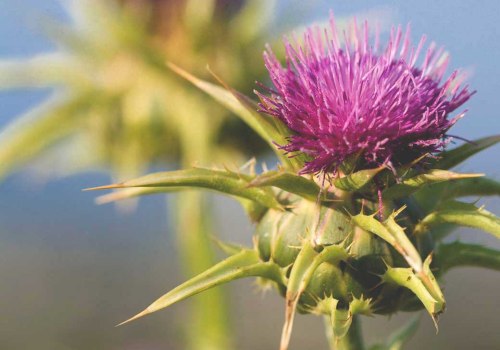
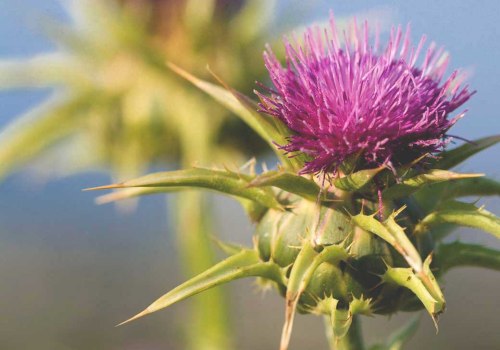
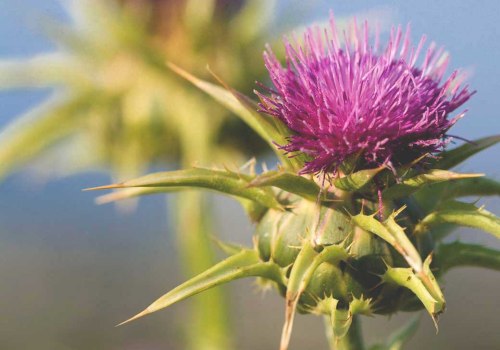
Milk thistle
, scientifically known as Silybum marianum, is a flowering plant belonging to the Asteraceae family.
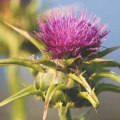
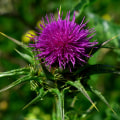
Native to the Mediterranean region, this herb has been utilized for centuries in traditional medicine due to its remarkable health benefits, particularly for liver health. The plant is characterized by its distinctive purple flowers and spiny leaves, which are often marked with white veins, giving it a striking appearance.The history of milk thistle dates back to ancient Greece, where it was used by herbalists such as Hippocrates and Pliny the Elder for various ailments. Its use continued through the Middle Ages, where it was commonly employed to treat liver disorders and as a remedy for poisoning. In modern herbal medicine, milk thistle has gained recognition for its potential in supporting liver function and detoxification processes.The primary active ingredient in milk thistle is silymarin , a complex of flavonoids that possess potent antioxidant and anti-inflammatory properties.
Silymarin is believed to protect liver cells from damage caused by toxins, alcohol, and other harmful substances. It works by stabilizing cell membranes and promoting the regeneration of liver tissue, making it a popular choice for individuals dealing with liver-related issues.In addition to its liver-protective effects, milk thistle has been studied for its potential benefits in managing conditions such as diabetes, cholesterol levels, and even certain types of cancer. Its versatility in herbal medicine is attributed to its ability to enhance overall health while specifically targeting liver function.As interest in natural remedies continues to grow, understanding the definition, historical significance, and active components of milk thistle is crucial for those considering its use as a supplement. This foundational knowledge not only highlights the herb's long-standing role in traditional medicine but also sets the stage for exploring its potential benefits and risks in contemporary health practices.
The Benefits of Milk Thistle for Liver Health
Milk thistle, scientifically known as Silybum marianum, has garnered attention for its potential benefits in promoting liver health, particularly for individuals suffering from fatty liver disease.The active compound in milk thistle, silymarin , is a flavonoid complex that is believed to play a crucial role in protecting liver cells from damage and enhancing overall liver function.One of the primary milk thistle benefits is its ability to act as an antioxidant. Silymarin has been shown to scavenge free radicals, which are harmful compounds that can lead to oxidative stress and cellular damage. This antioxidant property is particularly important for individuals with fatty liver disease, as oxidative stress is a significant contributor to liver inflammation and fibrosis.Several scientific studies have explored the effects of milk thistle on liver health. For instance, a randomized controlled trial published in the journal Hepatology found that patients with non-alcoholic fatty liver disease (NAFLD) who took silymarin experienced a significant reduction in liver enzymes, indicating improved liver function.
Additionally, another study highlighted that silymarin supplementation led to a decrease in liver fat content and improved insulin sensitivity among participants.The mechanisms through which milk thistle exerts its effects on liver health are multifaceted. Silymarin not only promotes the regeneration of damaged liver cells but also inhibits the activation of inflammatory pathways. This dual action helps mitigate the progression of fatty liver disease and may even reverse some of its effects.Moreover, milk thistle has been associated with improved lipid profiles. Research indicates that silymarin can lower levels of low-density lipoprotein (LDL) cholesterol while increasing high-density lipoprotein (HDL) cholesterol.
This balance is essential for maintaining cardiovascular health, especially in individuals with fatty liver disease who are at an increased risk for heart-related issues.In summary, the potential milk thistle benefits for liver health are supported by various scientific studies that highlight its antioxidant properties, ability to improve liver function, and positive effects on lipid profiles. While more research is needed to fully understand its efficacy and optimal dosing, incorporating milk thistle into a comprehensive treatment plan for fatty liver disease may offer significant advantages for those seeking to enhance their liver health.
Scientific Evidence Supporting Milk Thistle's Efficacy
Numerous scientific studies and clinical trials have explored the potential benefits of milk thistle in treating liver diseases, particularly fatty liver disease. The active compound in milk thistle, silymarin, is believed to possess antioxidant and anti-inflammatory properties that may aid in liver health.One notable study published in the journal Hepatology examined the effects of silymarin on patients with chronic liver disease. The randomized controlled trial involved 170 participants who received either silymarin or a placebo for a duration of 24 weeks.Results indicated that those taking silymarin experienced significant improvements in liver function tests, including reductions in serum alanine aminotransferase (ALT) and aspartate aminotransferase (AST) levels, which are markers of liver inflammation.Another clinical trial focused on patients with non-alcoholic fatty liver disease (NAFLD). In this study, participants were given a daily dose of silymarin for 12 weeks. The findings revealed a marked decrease in liver fat content and improved insulin sensitivity among those treated with silymarin compared to the control group. These results suggest that milk thistle may play a role in managing NAFLD, although further research is necessary to confirm these findings.However, not all studies have yielded positive outcomes.
A meta-analysis published in The American Journal of Gastroenterology reviewed multiple trials involving milk thistle and concluded that while some studies reported benefits, others showed no significant effect on liver function or disease progression. This inconsistency highlights the need for more rigorous research to establish definitive conclusions regarding the efficacy of milk thistle.Additionally, a systematic review of randomized controlled trials found that while milk thistle was generally well-tolerated, the variability in dosages and treatment durations across studies complicates the ability to draw clear recommendations. Some participants reported mild side effects such as gastrointestinal discomfort, which underscores the importance of consulting healthcare professionals before starting any new supplement regimen.In summary, while there is promising evidence supporting the use of milk thistle for liver health, particularly in conditions like fatty liver disease, the mixed results from various studies necessitate caution. Ongoing research will be crucial to fully understand its potential benefits and risks.
How to Take Milk Thistle Safely
When considering the incorporation of milk thistle into your health regimen, understanding how to take it safely is crucial.This herbal supplement is available in various forms, including capsules, tablets, tinctures, and teas, each offering unique benefits and considerations.
Recommended Dosages
- The typical dosage of milk thistle extract ranges from 140 mg to 600 mg per day, depending on the specific health condition being addressed. For general liver support, a common recommendation is around 200 mg to 400 mg of standardized extract containing 70-80% silymarin.
- For those dealing with more severe liver issues, such as fatty liver disease or hepatitis, higher doses may be suggested. However, it is essential to consult with a healthcare professional before increasing your dosage.
- Milk thistle supplements are often taken in divided doses throughout the day to enhance absorption and effectiveness. For instance, if you are taking a total of 300 mg daily, you might take 100 mg three times a day.
Forms of Milk Thistle
- Capsules and Tablets: These are the most common forms and are convenient for daily use.
Look for products that specify the amount of silymarin per serving.
- Tinctures: Liquid extracts can be taken directly or added to water or juice. They may offer faster absorption compared to capsules.
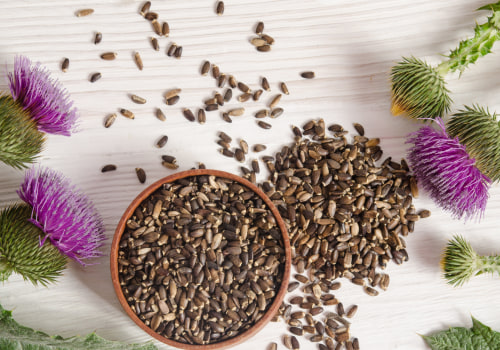
- Teas: Milk thistle tea can be made from the seeds or leaves of the plant. While this form may be less concentrated than extracts, it can still provide beneficial effects when consumed regularly.
Safety Considerations
- While milk thistle is generally considered safe for most people, some may experience mild side effects such as gastrointestinal upset or allergic reactions. If you notice any adverse effects, discontinue use and consult a healthcare provider.
- It’s particularly important for individuals taking medications metabolized by the liver to consult with a healthcare professional before starting milk thistle.
This herb can interact with certain drugs, potentially altering their effectiveness.
- Pregnant or breastfeeding women should also seek medical advice before using milk thistle supplements.
Consulting Healthcare Professionals: A Key Step
When considering the incorporation of milk thistle into your health regimen, it is crucial to consult with a healthcare professional. This step is essential for several reasons, particularly when it comes to managing conditions like fatty liver disease.Healthcare professionals, including doctors and registered dietitians, can provide personalized advice based on your unique health profile. They can assess your current medications, existing health conditions, and overall lifestyle to determine whether milk thistle is a suitable option for you.Here are some key points to consider:
- Individual Health Assessment: A healthcare provider can evaluate your liver function and any other underlying health issues that may affect how your body responds to milk thistle.
- Medication Interactions: Milk thistle may interact with certain medications, particularly those metabolized by the liver. A healthcare professional can help identify potential interactions and adjust your treatment plan accordingly.
- Dosing Recommendations: The appropriate dosage of milk thistle can vary based on individual needs. A healthcare provider can recommend a safe and effective dosage tailored to your specific situation.
- Monitoring Side Effects: While milk thistle is generally considered safe, it can cause side effects in some individuals. Consulting a healthcare professional allows for proper monitoring and management of any adverse reactions.
Not all products are created equal; some may contain varying levels of active ingredients or additional fillers that could impact their effectiveness. A knowledgeable provider can guide you toward reputable brands that ensure safety and efficacy.In summary, consulting with a healthcare professional before starting any new supplement regimen, including milk thistle, is a vital step in ensuring that you make informed decisions about your health. Their expertise can help you navigate the complexities of herbal supplements and tailor treatments that align with your individual health needs.
FAQs About Milk Thistle and Fatty Liver Disease
As interest in milk thistle grows, many individuals have questions about its efficacy and safety, particularly concerning its use for fatty liver disease. Below are some frequently asked questions that can help clarify common concerns.What is milk thistle?
Milk thistle (Silybum marianum) is a flowering plant belonging to the daisy family.It has been used for centuries in traditional medicine, primarily for its liver-protective properties. The active compound in milk thistle, silymarin , is believed to have antioxidant and anti-inflammatory effects that may benefit liver health.
How does milk thistle help with fatty liver disease?
Research suggests that milk thistle may help improve liver function by promoting cell regeneration and reducing inflammation. Some studies indicate that silymarin can help lower liver enzyme levels, which are often elevated in individuals with fatty liver disease. However, results can vary, and more extensive clinical trials are needed to confirm these benefits.Are there any side effects associated with milk thistle?
While milk thistle is generally considered safe for most people, some may experience mild side effects such as:- Nausea
- Diarrhea
- Bloating
- Allergic reactions in rare cases
Can I take milk thistle with other medications?
It is crucial to consult your doctor before combining milk thistle with other medications.Milk thistle can interact with drugs metabolized by the liver, potentially altering their effectiveness or increasing side effects. Always discuss your current medications and health conditions with a healthcare provider before starting any new supplement.
How should I take milk thistle for fatty liver disease?
The appropriate dosage of milk thistle can vary based on individual health needs and the specific product used. Generally, standardized extracts containing 70-80% silymarin are recommended. It’s best to follow the dosage instructions provided on the product label or those given by your healthcare provider.Is there scientific evidence supporting the use of milk thistle for fatty liver disease?
While some studies have shown promising results regarding the benefits of milk thistle for liver health, the evidence remains mixed.Some clinical trials indicate improvements in liver function tests, while others do not show significant benefits. More rigorous research is necessary to establish definitive conclusions about its effectiveness.In summary, while milk thistle may offer potential benefits for those with fatty liver disease, it is essential to approach its use cautiously and under medical supervision.
Conclusion: Weighing the Benefits Against the Risks
In conclusion, the use of milk thistle as a potential treatment for fatty liver disease presents a complex interplay of benefits and risks that must be carefully considered. Throughout this discussion, we have explored the various aspects of milk thistle, particularly its active component, silymarin, which is credited with numerous health benefits.On one hand, the benefits of milk thistle are noteworthy. Research suggests that it may:- Enhance liver function by promoting cell repair and regeneration.
- Exhibit anti-inflammatory properties that can alleviate symptoms associated with liver diseases.
- Act as an antioxidant, helping to combat oxidative stress that contributes to liver damage.
- Potentially improve outcomes for individuals with chronic liver conditions, including fatty liver disease.
Some of the concerns include:
- The possibility of side effects such as gastrointestinal discomfort, including diarrhea and nausea.
- The potential for interactions with other medications metabolized by the liver, which could amplify their effects or lead to adverse reactions.
- The mixed results from clinical studies, indicating that while some individuals may experience benefits, others may not see significant improvements.