The liver is one of the most vital organs in the human body, playing a crucial role in various physiological processes. It is responsible for detoxifying harmful substances, producing bile for digestion, and storing essential nutrients. However, when the liver becomes damaged, its ability to perform these functions can be severely compromised, leading to a cascade of health issues that can affect the entire body. Understanding liver damage and its implications is essential for anyone looking to maintain optimal health.Liver damage can arise from a multitude of factors, including excessive alcohol consumption, viral infections such as hepatitis, obesity, and exposure to environmental toxins.
Each of these causes can lead to inflammation, fatty liver disease, or even cirrhosis over time. The symptoms of liver damage may not be immediately apparent, often developing silently until significant harm has occurred. This makes it imperative to recognize the signs early and take proactive measures to protect liver health.Maintaining a healthy liver is not just about avoiding harmful substances; it also involves adopting a balanced diet, engaging in regular physical activity, and managing stress levels. The importance of liver health cannot be overstated, as it directly impacts overall well-being.
A compromised liver can lead to serious complications such as liver failure, which may require medical intervention or even transplantation.In light of these challenges, exploring natural remedies like milk thistle becomes increasingly relevant. This herb has been recognized for its potential benefits in supporting liver function and promoting healing. By understanding the causes and implications of liver damage, individuals can make informed choices about their health and consider integrating beneficial supplements into their wellness routines.
What is Milk Thistle?
Milk thistle
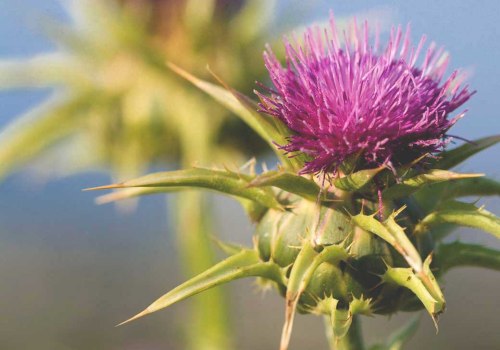
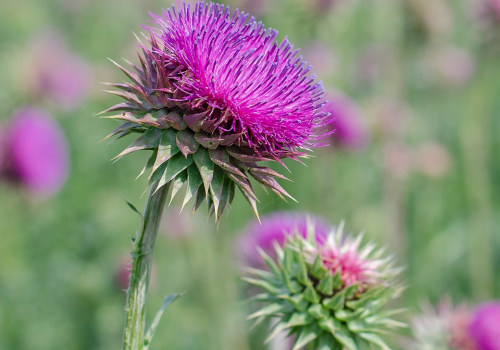
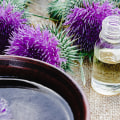
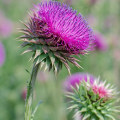
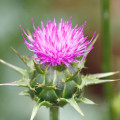
, scientifically known as Silybum marianum, is a flowering herb that belongs to the Asteraceae family. This plant is characterized by its striking purple flowers and large, spiny leaves, which are often marked with white veins.
Native to the Mediterranean region, milk thistle has been cultivated for centuries not only for its beauty but also for its medicinal properties.The history of milk thistle dates back to ancient times, where it was utilized by the Greeks and Romans for various ailments. Traditionally, it was employed as a remedy for liver disorders, digestive issues, and even as a treatment for snake bites. Its long-standing use in herbal medicine highlights its significance in natural healing practices.At the heart of milk thistle's therapeutic potential lies its active compound, silymarin. Silymarin is a complex of flavonolignans extracted from the seeds of the milk thistle plant.
This powerful antioxidant is primarily responsible for the herb's liver-protective effects. Research has shown that silymarin can help regenerate damaged liver cells, reduce inflammation, and combat oxidative stress caused by free radicals.In addition to its liver health benefits, silymarin has been studied for its potential effects on cholesterol levels and blood sugar regulation. Its multifaceted properties make milk thistle a valuable addition to holistic health regimens.As interest in natural remedies continues to grow, milk thistle remains a popular choice among those seeking to enhance their overall well-being. Whether consumed in capsule form, as a tincture, or brewed as tea, this remarkable herb offers a wealth of benefits that have stood the test of time.
The Benefits of Milk Thistle for Liver Health
Milk thistle, scientifically known as Silybum marianum, has garnered significant attention for its remarkable benefits in promoting liver health.The active compound in milk thistle, silymarin , is a potent antioxidant that plays a crucial role in protecting the liver from various forms of damage.One of the primary milk thistle benefits is its ability to enhance liver cell regeneration. Research indicates that silymarin stimulates the production of new liver cells while simultaneously protecting existing ones from further harm. This regenerative capability is particularly beneficial for individuals suffering from liver diseases such as hepatitis or those who have experienced liver damage due to alcohol consumption or exposure to toxins.In addition to promoting cell regeneration, milk thistle is known for its detoxification properties. The liver is responsible for filtering toxins from the bloodstream, and silymarin aids this process by increasing bile production.
Bile is essential for the digestion and elimination of harmful substances, thus supporting overall liver function and health.Moreover, milk thistle exhibits strong anti-inflammatory effects. Chronic inflammation is a common symptom associated with liver damage, and studies have shown that silymarin can significantly reduce inflammation markers in the body. By mitigating inflammation, milk thistle not only helps alleviate symptoms but also contributes to the healing process of the liver.Another noteworthy aspect of milk thistle is its ability to combat oxidative stress. The liver is often exposed to free radicals and other harmful compounds that can lead to cellular damage.
The antioxidant properties of silymarin help neutralize these free radicals, thereby protecting liver cells from oxidative damage and promoting overall health.In summary, the benefits of milk thistle for liver health are multifaceted. From enhancing cell regeneration and detoxification to reducing inflammation and providing antioxidant protection, milk thistle stands out as a valuable ally in maintaining optimal liver function. Incorporating this natural remedy into your wellness routine can be a proactive step towards supporting your liver health.
How Milk Thistle Works: The Science Behind Its Healing Properties
Milk thistle, particularly its active compound silymarin, has garnered significant attention for its remarkable ability to protect and heal the liver. Understanding the scientific mechanisms behind these effects is crucial for appreciating how this natural remedy functions.Silymarin Mechanism of Action
Silymarin is a complex of flavonolignans extracted from the seeds of the milk thistle plant.
Its primary components include silybin, silydianin, and silychristin. These compounds work synergistically to exert their protective effects on liver cells through several key mechanisms:
- Antioxidant Activity: Silymarin is a potent antioxidant that scavenges free radicals, which are unstable molecules that can cause oxidative stress and damage liver cells. By neutralizing these free radicals, silymarin helps to reduce cellular damage and promote liver health.
- Cell Membrane Stabilization: Silymarin enhances the stability of cell membranes in liver cells, making them less permeable to toxins and harmful substances. This stabilization helps protect hepatocytes (liver cells) from damage caused by alcohol, drugs, and environmental toxins.
- Regeneration of Liver Cells: One of the most significant benefits of silymarin is its ability to promote the regeneration of damaged liver cells.
It stimulates protein synthesis and encourages the growth of new hepatocytes, which is essential for repairing liver damage.
- Anti-Inflammatory Properties: Chronic inflammation is a common issue in liver diseases. Silymarin has been shown to inhibit inflammatory pathways, reducing the production of pro-inflammatory cytokines. This action helps alleviate inflammation in the liver, promoting healing.
- Enhancement of Glutathione Levels: Glutathione is a powerful antioxidant produced by the liver that plays a critical role in detoxification. Silymarin has been found to increase glutathione levels, further enhancing the liver's ability to detoxify harmful substances.
Liver Protection Mechanisms
The protective effects of milk thistle extend beyond just silymarin's actions.
The herb also influences various biochemical pathways that contribute to overall liver health:
- Detoxification Support: Milk thistle aids in increasing bile production, which is essential for detoxifying the body. Bile helps eliminate toxins and waste products from the liver through digestion.
- Cholesterol Regulation: By helping to lower cholesterol levels, milk thistle reduces the strain on the liver, allowing it to function more efficiently and effectively.
Research and Studies Supporting Milk Thistle's Efficacy
Numerous studies have been conducted to evaluate the effectiveness of milk thistle in promoting liver health and repairing liver damage. The active compound, silymarin , is primarily responsible for these benefits, and research has provided compelling evidence supporting its use.One of the most significant studies published in the journal Hepatology examined the effects of silymarin on patients with chronic liver disease.The randomized controlled trial involved over 200 participants who received either silymarin or a placebo for a duration of 24 weeks. Results indicated that those taking silymarin experienced a notable reduction in liver enzyme levels, suggesting improved liver function and reduced inflammation.Another pivotal study published in Phytotherapy Research focused on patients suffering from alcoholic liver disease. This research highlighted that silymarin supplementation led to a significant decrease in liver fibrosis markers, which are indicative of liver damage. Participants reported improved overall well-being and a reduction in symptoms associated with liver dysfunction.A meta-analysis conducted by researchers at the University of California reviewed multiple clinical trials involving milk thistle.
The analysis concluded that milk thistle is effective in improving liver function tests and reducing symptoms related to liver diseases, including hepatitis and cirrhosis. The findings emphasized that silymarin not only protects the liver but also promotes regeneration of liver cells.Furthermore, a study published in the Journal of Clinical Gastroenterology explored the antioxidant properties of milk thistle. It was found that silymarin significantly reduced oxidative stress in patients with non-alcoholic fatty liver disease (NAFLD). This is crucial as oxidative stress is a major contributor to liver cell damage.In addition to these clinical studies, various animal studies have also demonstrated the protective effects of milk thistle against toxic substances such as acetaminophen and carbon tetrachloride, which are known to cause severe liver damage.
These studies provide further evidence that milk thistle can be a valuable ally in maintaining liver health.In summary, the body of research surrounding milk thistle and its benefits for liver health is robust and growing. With numerous clinical trials and studies supporting its efficacy, milk thistle stands out as a promising natural remedy for those seeking to enhance their liver function and overall health.
Incorporating Milk Thistle into Your Diet: Dosage and Forms
Incorporating milk thistle into your diet can be a straightforward process, but understanding the various forms available and the appropriate dosages is essential for maximizing its health benefits. Here’s a detailed guide on how to effectively include this powerful herb in your daily routine.Forms of Milk Thistle Supplements
Milk thistle is available in several forms, each offering unique advantages:- Capsules and Tablets: These are the most common forms of milk thistle supplements. They are convenient and easy to take, making them a popular choice for many individuals.
Look for products that contain at least 70% silymarin, the active compound responsible for its liver-protective effects.
- Tinctures: Milk thistle tinctures are liquid extracts that can be taken directly or mixed with water or juice. They may offer faster absorption compared to capsules, making them a good option for those who prefer liquid supplements.
- Teas: Milk thistle tea is made from the seeds or leaves of the plant. While it may not provide as concentrated a dose as capsules or tinctures, it can be a soothing way to enjoy the benefits of milk thistle while also staying hydrated.
- Powdered Form: Ground milk thistle seeds can be added to smoothies, oatmeal, or baked goods. This form allows for versatile incorporation into meals but requires careful measurement to ensure proper dosing.
Recommended Dosage
The recommended dosage of milk thistle can vary based on individual health needs and the specific product used.However, general guidelines suggest:
- Standard Dosage: For most adults, a daily dosage of 200-400 mg of silymarin is commonly recommended. This can be divided into two or three doses throughout the day.
- Consultation with Healthcare Professionals: It’s crucial to consult with a healthcare provider before starting any new supplement regimen, especially if you have pre-existing health conditions or are taking other medications. They can help determine the right dosage tailored to your specific needs.
Selecting Quality Supplements
When choosing a milk thistle supplement, consider the following tips to ensure you select a high-quality product:- Check for Standardization: Look for supplements that specify the amount of silymarin per serving. A standardized extract ensures you receive consistent potency with each dose.
- Read Reviews and Research Brands: Opt for reputable brands with positive customer feedback and transparent sourcing practices.
Researching third-party testing can also provide assurance of quality and purity.
- Avoid Fillers and Additives: Choose products that are free from unnecessary fillers, artificial colors, and preservatives to maximize health benefits.
Potential Side Effects and Considerations
While milk thistle is widely recognized for its numerous health benefits, particularly in supporting liver health, it is essential to be aware of potential side effects and precautions associated with its use. Understanding these factors can help ensure that individuals use this herbal remedy safely and effectively.Potential Side Effects
Most people tolerate milk thistle well, but some may experience mild side effects. Commonly reported side effects include:- Gastrointestinal Issues: Some users may experience digestive disturbances such as nausea, diarrhea, or bloating.
- Allergic Reactions: Individuals allergic to plants in the Asteraceae family, such as ragweed, may have allergic reactions to milk thistle. Symptoms can include itching, rash, or difficulty breathing.
- Headaches: A few users have reported headaches after taking milk thistle supplements.
Precautions with Milk Thistle
Before incorporating milk thistle into your routine, consider the following precautions:- Consult a Healthcare Professional: It is crucial to speak with a healthcare provider before starting any new supplement, especially if you have existing health conditions or are taking medications.
- Pregnancy and Breastfeeding: The safety of milk thistle during pregnancy and breastfeeding has not been well studied.
Therefore, it is advisable for pregnant or nursing women to avoid its use unless directed by a healthcare professional.
- Surgery Considerations: If you are scheduled for surgery, inform your surgeon about any supplements you are taking, including milk thistle. It may affect blood sugar levels and could interfere with anesthesia.
Who Should Avoid Milk Thistle?
Certain individuals should exercise caution or avoid milk thistle altogether:- People with Hormone-Sensitive Conditions: Since milk thistle may have estrogenic effects, those with hormone-sensitive conditions such as breast cancer or uterine cancer should consult their doctor before use.
- Individuals on Certain Medications: Milk thistle can interact with various medications, including anticoagulants and certain antidepressants. Always check with a healthcare provider if you are on medication.
Complementary Lifestyle Changes for Optimal Liver Health
While incorporating milk thistle into your routine can significantly enhance liver health, it is essential to adopt a holistic approach that includes various lifestyle changes.These changes can further support liver function and overall well-being. Here are some key areas to focus on:
1.Diet for Liver Health
Your diet plays a crucial role in maintaining liver health. A balanced diet rich in nutrients can help the liver function optimally and reduce the risk of damage. Consider the following dietary guidelines:- Increase Fruits and Vegetables: Aim for a variety of colorful fruits and vegetables, which are high in antioxidants and essential vitamins.
Foods like berries, leafy greens, and cruciferous vegetables (such as broccoli and Brussels sprouts) are particularly beneficial.
- Choose Whole Grains: Whole grains like brown rice, quinoa, and whole wheat bread provide fiber that aids digestion and helps maintain a healthy weight.
- Healthy Fats: Incorporate sources of healthy fats, such as avocados, nuts, seeds, and olive oil. These fats can help reduce inflammation and support liver function.
- Avoid Processed Foods: Limit your intake of processed foods high in sugar, salt, and unhealthy fats. These can contribute to liver fat accumulation and increase the risk of fatty liver disease.
2.Regular Exercise
Physical activity is vital for maintaining a healthy liver. Regular exercise helps improve circulation, reduces fat accumulation in the liver, and enhances overall metabolic health.Here are some tips to incorporate exercise into your routine:
- Aim for Consistency: Strive for at least 150 minutes of moderate aerobic activity each week, such as brisk walking or cycling.
- Include Strength Training: Engage in strength training exercises at least twice a week to build muscle mass, which can improve metabolism and support liver health.
- Stay Active Throughout the Day: Look for opportunities to move more throughout your day—take the stairs instead of the elevator or go for short walks during breaks.
3.Hydration
Staying well-hydrated is essential for optimal liver function. Water helps flush out toxins from the body and supports various metabolic processes. Here are some hydration tips:- Drink Plenty of Water: Aim for at least 8-10 cups of water daily, adjusting based on your activity level and climate.
- Avoid Sugary Drinks: Limit consumption of sugary beverages like sodas and energy drinks, which can contribute to liver fat accumulation.
Frequently Asked Questions About Milk Thistle and Liver Health
As interest in natural remedies grows, many people have questions about milk thistle and its role in promoting liver health.Below are some of the most frequently asked questions regarding this powerful herb.
What is milk thistle?
Milk thistle (Silybum marianum) is a flowering plant native to the Mediterranean region. It has been used for centuries in traditional medicine, particularly for its liver-protective properties. The active compound in milk thistle, known as silymarin , is believed to have antioxidant and anti-inflammatory effects that can help support liver function.How does milk thistle benefit liver health?
Milk thistle is renowned for its ability to:- Protect liver cells: Silymarin helps stabilize cell membranes and promotes the regeneration of damaged liver cells.
- Reduce inflammation: Its anti-inflammatory properties can help alleviate symptoms associated with liver damage.
- Enhance detoxification: Milk thistle supports bile production, which aids in the elimination of toxins from the body.
- Combat oxidative stress: As a potent antioxidant, silymarin helps neutralize free radicals that can cause cellular damage.
Can milk thistle help with alcohol-related liver damage?
Research suggests that milk thistle may be beneficial for individuals suffering from alcohol-related liver damage. By promoting liver cell regeneration and reducing inflammation, it can potentially aid in recovery.However, it should not be viewed as a substitute for abstaining from alcohol or seeking medical treatment.
Are there any side effects associated with milk thistle?
While milk thistle is generally considered safe for most people, some may experience mild side effects such as:- Nausea
- Diarrea
- Allergic reactions (in rare cases)
How should I take milk thistle?
Milk thistle is available in various forms, including capsules, tinctures, and teas. The recommended dosage typically ranges from 200 to 400 mg of silymarin per day. Always follow the instructions on the product label or consult with a healthcare provider for personalized advice.By addressing these common questions about milk thistle and its impact on liver health, individuals can make informed decisions about incorporating this natural remedy into their wellness routines.Conclusion: Embracing Milk Thistle for a Healthier Liver
In summary, the journey towards better liver health can be significantly enhanced by incorporating milk thistle into your wellness routine. This remarkable herb, with its active compound silymarin , has been shown to offer a multitude of benefits that are particularly valuable for those dealing with liver damage or seeking to maintain optimal liver function.Throughout this article, we have explored the various milk thistle benefits , including:- Detoxification: Milk thistle aids in the liver's natural detoxification processes by promoting bile production, which is essential for eliminating toxins from the body.
- Anti-inflammatory properties: The anti-inflammatory effects of milk thistle can help reduce inflammation in the liver, a common issue associated with liver damage.
- Cholesterol management: By helping to lower cholesterol levels, milk thistle reduces the strain on the liver, contributing to overall liver health.
- Antioxidant protection: Silymarin acts as a powerful antioxidant, shielding liver cells from oxidative stress and damage caused by free radicals.
It is essential to choose high-quality supplements that contain a significant percentage of silymarin to maximize its health benefits. Additionally, consulting with a healthcare professional before starting any new supplement regimen is crucial, especially for individuals with existing health conditions or those taking medications.Beyond adding milk thistle to your diet, adopting a holistic approach to liver health is vital. This includes maintaining a balanced diet rich in fruits and vegetables, staying hydrated, exercising regularly, and limiting alcohol consumption. By embracing these lifestyle changes alongside the use of milk thistle, you can take proactive steps towards achieving a healthier liver.Ultimately, the healing power of milk thistle serves as a beacon of hope for those seeking natural remedies for liver support.
By recognizing its potential and integrating it into your daily life, you can foster not only improved liver health but also enhance your overall well-being.