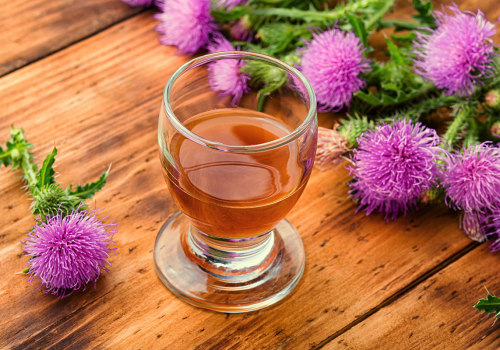
Milk thistle, scientifically known as Silybum marianum, is a flowering herb that has been revered for centuries for its remarkable health benefits, particularly concerning liver function and digestive health. This resilient plant, characterized by its striking purple flowers and spiky leaves, has a rich history rooted in traditional herbal medicine. Ancient Greeks and Romans utilized milk thistle to treat various ailments, and its use has persisted through the ages, evolving into a staple in modern herbal practices.The primary active compound in milk thistle is silymarin , a powerful antioxidant that is believed to be responsible for many of its health-promoting properties. Silymarin is derived from the seeds of the milk thistle plant and has been extensively studied for its potential to protect liver cells from damage caused by toxins, alcohol, and other harmful substances.
This protective effect makes milk thistle a popular choice among those seeking natural remedies for liver-related issues.In addition to its liver-supporting capabilities, the benefits of milk thistle extend to digestive health as well. The herb is known to stimulate bile production, which aids in the digestion of fats and promotes overall gastrointestinal function. This dual action on both the liver and digestive system underscores milk thistle's significance in holistic health approaches.As we delve deeper into the myriad of milk thistle benefits , it becomes clear that this herb is not just a relic of ancient medicine but a powerful ally in contemporary health regimens. From supporting liver detoxification to enhancing digestive efficiency, understanding milk thistle's multifaceted role in wellness can empower individuals to make informed choices about their health.
The Active Compound: Silymarin and Its Role
At the heart of milk thistle's remarkable health benefits lies its primary active compound, silymarin.This complex of flavonolignans is extracted from the seeds of the milk thistle plant (Silybum marianum) and is renowned for its potent antioxidant, anti-inflammatory, and hepatoprotective properties. Understanding what silymarin is and how it functions can illuminate its role in promoting digestive health and supporting liver function.
What is Silymarin?
Silymarin is not a single compound but rather a mixture of several flavonoids, primarily silybin, silydianin, and silychristin. Among these, silybin is often considered the most biologically active component, contributing significantly to the therapeutic effects attributed to milk thistle. The unique structure of these flavonolignans allows them to interact with various cellular pathways, enhancing their protective effects on the liver and digestive system.
Silymarin Benefits
- Antioxidant Properties: Silymarin acts as a powerful antioxidant, neutralizing free radicals that can cause oxidative stress and damage to liver cells.
This action helps to protect the liver from toxins and supports overall liver health.
- Anti-Inflammatory Effects: Chronic inflammation is a significant contributor to liver diseases. Silymarin has been shown to reduce inflammation in the liver, which can be beneficial for individuals suffering from conditions such as fatty liver disease or hepatitis. Chronic inflammation is a significant contributor to liver diseases. Silymarin has been shown to reduce inflammation in the liver, which can be beneficial for individuals suffering from conditions such as fatty liver disease or hepatitis.
- Regeneration of Liver Cells: One of the most exciting aspects of silymarin is its ability to promote the regeneration of damaged liver cells. Studies suggest that it can stimulate protein synthesis in liver cells, aiding in recovery from injury or disease.
- Support for Digestive Health: Beyond its liver benefits, silymarin also plays a role in digestive health by stimulating bile production. This can enhance digestion and nutrient absorption while alleviating symptoms of indigestion.
However, it’s essential to choose high-quality products that ensure adequate dosing for optimal results. As always, consulting with a healthcare provider before starting any new supplement regimen is advisable to ensure safety and appropriateness for individual health needs.
Milk Thistle and Digestive Health
Milk thistle, scientifically known as Silybum marianum, has long been celebrated for its remarkable benefits on digestive health. One of the primary ways it supports digestion is through its ability to enhance bile production. Bile, a digestive fluid produced by the liver, plays a crucial role in breaking down fats and facilitating the absorption of fat-soluble vitamins.By stimulating bile flow, milk thistle can help improve the overall efficiency of the digestive process.In addition to promoting bile production, milk thistle is known for its potential to alleviate various digestive issues. Many individuals experience discomfort due to conditions such as bloating, gas, and constipation. The active compound in milk thistle, silymarin, possesses anti-inflammatory properties that can soothe the gastrointestinal tract and reduce inflammation, leading to improved digestive comfort.Furthermore, milk thistle may assist in protecting the liver from toxins and oxidative stress, which can indirectly benefit digestion. A healthy liver is essential for optimal digestion, as it processes nutrients and filters out harmful substances.
By supporting liver function, milk thistle helps ensure that the body can effectively metabolize food and eliminate waste.For those struggling with constipation, milk thistle can be particularly beneficial. Its bitter compounds stimulate the gallbladder to release bile, which not only aids in fat digestion but also promotes regular bowel movements. This natural laxative effect can help individuals achieve better digestive health without relying on harsh chemical solutions.Incorporating milk thistle into your daily routine can be a simple yet effective way to enhance your digestive health. Whether taken as a supplement or consumed as a tea, this powerful herb offers a natural approach to supporting your body's digestive processes.
However, it is always advisable to consult with a healthcare professional before starting any new supplement regimen to ensure it aligns with your individual health needs.
Supporting Liver Function with Milk Thistle
Milk thistle, scientifically known as Silybum marianum, has garnered significant attention for its remarkable ability to support liver health. This herb is particularly renowned for its active compound, silymarin , which is believed to play a crucial role in protecting the liver from various forms of damage.One of the primary ways milk thistle benefits liver function is through its antioxidant properties. The liver is responsible for detoxifying harmful substances, and in this process, it can become overwhelmed by free radicals. Silymarin helps neutralize these free radicals, thereby reducing oxidative stress and promoting cellular regeneration within the liver.Moreover, milk thistle has been shown to enhance the liver's ability to regenerate itself.Studies suggest that silymarin can stimulate the production of new liver cells, which is particularly beneficial for individuals suffering from liver diseases such as cirrhosis and hepatitis. By encouraging the growth of healthy cells, milk thistle may help restore liver function and improve overall health.In addition to its regenerative capabilities, milk thistle also aids in reducing inflammation within the liver. Chronic inflammation is a common factor in many liver diseases, and by mitigating this inflammation, milk thistle can contribute to better liver health. This anti-inflammatory effect is especially important for those with conditions like non-alcoholic fatty liver disease (NAFLD), where inflammation plays a significant role in disease progression.Furthermore, research indicates that milk thistle may assist in managing liver-related conditions caused by alcohol consumption and exposure to toxins.
For instance, individuals who consume alcohol regularly may benefit from milk thistle's protective effects against alcohol-induced liver damage. By supporting detoxification processes and reducing the risk of fatty deposits in the liver, milk thistle serves as a valuable ally in maintaining liver health.While the benefits of milk thistle are promising, it is essential to approach its use with caution. Consulting with a healthcare provider before starting any new supplement regimen is crucial, especially for those with existing liver conditions or those taking medications that affect liver function. This ensures that individuals can safely incorporate milk thistle into their health routine while maximizing its potential benefits.
Milk Thistle's Impact on Insulin Resistance and Metabolic Health
Milk thistle, known scientifically as Silybum marianum, has garnered attention for its potential role in enhancing insulin sensitivity and supporting overall metabolic health.This is particularly significant for individuals grappling with type 2 diabetes, a condition characterized by insulin resistance and impaired glucose metabolism.Research indicates that the active compound in milk thistle, silymarin, may play a crucial role in improving insulin sensitivity. By reducing oxidative stress and inflammation, silymarin helps to create a more favorable environment for insulin action. This is vital because chronic inflammation is often linked to insulin resistance, making it harder for the body to utilize glucose effectively.In a study published in the journal Diabetes Care, participants who supplemented with milk thistle showed significant improvements in their fasting blood glucose levels and insulin sensitivity compared to those who did not. These findings suggest that incorporating milk thistle into a daily regimen could be beneficial for managing blood sugar levels.Moreover, milk thistle's antioxidant properties contribute to its metabolic health benefits.
By combating free radicals, it helps protect pancreatic cells, which are essential for insulin production. A healthy pancreas is crucial for maintaining balanced blood sugar levels and preventing the progression of diabetes-related complications.For those looking to enhance their metabolic health, milk thistle can be an excellent addition to a holistic approach that includes a balanced diet and regular exercise. Here are some key benefits of milk thistle for metabolic health:
- Improved Insulin Sensitivity: Enhances the body's response to insulin, facilitating better glucose uptake by cells.
- Blood Sugar Regulation: Helps maintain stable blood sugar levels, reducing spikes and crashes that can lead to cravings and overeating.
- Weight Management: Supports healthy weight loss efforts by promoting fat metabolism and reducing fat accumulation in the liver.
- Liver Health: Aids in detoxification processes, ensuring that the liver functions optimally, which is essential for metabolic health.
Potential Side Effects and Considerations
While the benefits of milk thistle are well-documented, it is essential to consider potential side effects and safety precautions before incorporating this herbal supplement into your routine.Understanding these aspects can help you make informed decisions about your health.
Common Side Effects
- Gastrointestinal Issues: Some individuals may experience mild gastrointestinal discomfort, including nausea, diarrhea, or bloating. These symptoms are generally transient and may subside as your body adjusts to the supplement.
- Allergic Reactions: Although rare, allergic reactions to milk thistle can occur. Symptoms may include itching, rash, or difficulty breathing. If you experience any of these symptoms, discontinue use immediately and consult a healthcare professional.
- Headaches: Some users report experiencing headaches after taking milk thistle.
This could be due to individual sensitivity or interactions with other medications.
Safety Considerations
Before starting any new supplement, including milk thistle, it is crucial to consult with a healthcare provider, especially if you have underlying health conditions or are taking other medications. Here are some important considerations:
- Pregnancy and Breastfeeding: The safety of milk thistle during pregnancy and breastfeeding has not been thoroughly studied. Therefore, it is advisable for pregnant or nursing women to avoid using this supplement unless directed by a healthcare professional.
- Liver Conditions: While milk thistle is often used to support liver health, individuals with liver disease should exercise caution. It is essential to discuss its use with a healthcare provider to ensure it does not interfere with existing treatments.
- Drug Interactions: Milk thistle may interact with certain medications, particularly those metabolized by the liver.
This includes drugs like statins and anticoagulants. Always inform your doctor about any supplements you are taking to avoid potential interactions.
Conclusion
In summary, while milk thistle offers numerous health benefits, it is vital to be aware of its potential side effects and safety considerations. By consulting with a healthcare professional and monitoring your body's response, you can safely incorporate this powerful herb into your wellness regimen.
Choosing the Right Milk Thistle Supplement
When it comes to reaping the benefits of milk thistle, selecting the right supplement is crucial. With a plethora of options available on the market, understanding how to choose a high-quality product can make all the difference in achieving optimal health outcomes.1.Look for Standardized Extracts
One of the most important factors to consider is whether the milk thistle supplement is standardized to contain a specific percentage of silymarin, the active compound responsible for many of its health benefits.
A quality supplement should typically contain at least 70-80% silymarin. This ensures that you are getting a potent dose that can effectively support liver function and digestive health.
2.Check Dosage Recommendations
The recommended dosage for milk thistle can vary based on individual health needs and the specific formulation of the supplement. Generally, a daily intake of 140-800 mg of silymarin is considered effective for most adults. Always refer to the product label for specific dosage instructions and consult with a healthcare provider to determine what is best for your situation.
3.Assess Product Quality
- Third-Party Testing: Choose brands that undergo third-party testing for purity and potency.
This adds an extra layer of assurance regarding the quality of the product.
- Ingredient Transparency: Look for supplements that provide clear information about their ingredients, including any fillers or additives. A high-quality product should have minimal additional ingredients.
- Reputable Brands: Opt for well-known brands with positive customer reviews and a history of producing effective supplements. Researching brand reputation can save you from low-quality products.
4.Consider Formulation Types
Milk thistle supplements come in various forms, including capsules, tablets, tinctures, and powders. Capsules and tablets are convenient and easy to dose, while tinctures may offer faster absorption.
Choose a form that fits your lifestyle and preferences.
5.Be Mindful of Allergens
If you have allergies or sensitivities, carefully read labels to ensure that the supplement does not contain any allergens such as gluten, dairy, or soy. This is particularly important for individuals with food sensitivities who want to avoid adverse reactions.By keeping these factors in mind when selecting a milk thistle supplement, you can enhance your chances of experiencing its numerous health benefits while ensuring safety and efficacy in your wellness journey.
Integrating Milk Thistle into Your Health Regimen
Incorporating milk thistle into your daily health regimen can be a straightforward process, but it requires some thought to maximize its benefits. Here are several practical strategies to help you seamlessly integrate this powerful herb into your lifestyle.Choosing the Right Form of Milk Thistle
Milk thistle is available in various forms, including capsules, tinctures, teas, and powders. Each form has its own advantages:- Capsules: These are convenient and provide a precise dosage.
Look for products standardized to contain at least 80% silymarin, the active compound responsible for many of milk thistle's benefits.
- Tinctures: These liquid extracts can be added to water or juice and may offer faster absorption. They are ideal for those who prefer a more natural approach.
- Teas: Drinking milk thistle tea can be a soothing way to enjoy its benefits. Steep the dried seeds in hot water for about 10-15 minutes.
- Powders: Milk thistle powder can be added to smoothies or yogurt, making it a versatile option for those who enjoy cooking or baking.
Dosage Recommendations
The appropriate dosage of milk thistle can vary based on individual health needs and the specific product used. However, general guidelines suggest:- Standardized Extracts: For capsules or tinctures, a common dosage is between 140 mg to 800 mg of silymarin per day, divided into two or three doses.
- Teas: If using tea, aim for 1-2 cups daily, depending on your taste preference and tolerance.
- Consultation: Always consult with a healthcare provider before starting any new supplement regimen, especially if you have existing health conditions or are taking medications.
Incorporating Milk Thistle into Your Diet
To enhance the benefits of milk thistle, consider these dietary tips:- Add to Smoothies: Blend milk thistle powder into your morning smoothie along with fruits and vegetables for a nutritious boost.
- Baking: Incorporate milk thistle powder into baked goods like muffins or pancakes for an easy way to consume it.
- Culinary Uses: Use milk thistle seeds as a topping for salads or oatmeal to add texture and health benefits.
Remember that consistency is key; regular use will yield the best results over time.
Frequently Asked Questions About Milk Thistle
As interest in milk thistle continues to grow, so do the questions surrounding its use and benefits. Below, we address some of the most frequently asked questions to help clarify common misconceptions and provide a deeper understanding of this remarkable herb.What is milk thistle?
Milk thistle, scientifically known as Silybum marianum, is a flowering plant belonging to the daisy family. It is native to Mediterranean regions but has spread worldwide due to its medicinal properties. The seeds of the milk thistle plant contain a powerful compound called silymarin, which is primarily responsible for its health benefits.What are the primary benefits of milk thistle?
- Liver support: Milk thistle is renowned for its ability to promote liver health by protecting liver cells from toxins and supporting regeneration.
- Digestive health: It aids in digestion by stimulating bile production, which is essential for fat digestion and nutrient absorption.
- Antioxidant properties: Silymarin acts as a potent antioxidant, helping to combat oxidative stress in the body.
- Blood sugar regulation: Some studies suggest that milk thistle may improve insulin sensitivity, making it beneficial for individuals with type 2 diabetes.
Is milk thistle safe for everyone?
While milk thistle is generally considered safe for most people, it may not be suitable for everyone.Pregnant or breastfeeding women should consult their healthcare provider before using it, as its safety during these periods is not fully established. Additionally, individuals with allergies to plants in the Asteraceae family should exercise caution.
Are there any side effects associated with milk thistle?
Milk thistle is well-tolerated by many; however, some individuals may experience mild gastrointestinal issues such as nausea, diarrhea, or bloating. If you experience any adverse effects, it’s advisable to discontinue use and consult a healthcare professional.Can I take milk thistle with other medications?
Milk thistle can interact with certain medications, particularly those metabolized by the liver. It’s crucial to discuss any potential interactions with your healthcare provider before starting milk thistle, especially if you are on medications like statins or anticoagulants.What are some common myths about milk thistle?
- Myth 1: Milk thistle can cure liver diseases.
Fact: While it supports liver health, it should not be viewed as a cure for serious liver conditions.
- Myth 2: All milk thistle supplements are the same. Fact: Quality varies significantly; look for standardized extracts containing silymarin.
- Myth 3: Milk thistle has no side effects. Fact: While rare, some individuals may experience mild side effects.
Conclusion: The Comprehensive Benefits of Milk Thistle for Health
In summary, the myriad benefits of milk thistle extend far beyond its traditional use as a digestive aid.This remarkable herb, primarily known for its active compound silymarin, has been a cornerstone in herbal medicine for centuries, particularly in promoting liver health and enhancing digestive function.Throughout this article, we have explored how milk thistle supports the liver by:
- Stimulating bile production: This is crucial for digestion and helps in the breakdown of fats, making it easier for the body to absorb essential nutrients.
- Protecting liver cells: Silymarin acts as a powerful antioxidant, combating oxidative stress and reducing inflammation within the liver.
- Aiding in detoxification: By promoting liver function, milk thistle assists in the elimination of toxins from the body, which is vital for overall health.
- Potentially improving insulin sensitivity: This is particularly beneficial for individuals managing type 2 diabetes, as it may help regulate blood sugar levels.
- Alleviate constipation: By stimulating bile flow and promoting healthy bowel movements, it can provide relief from digestive discomfort.
- Support gut health: The herb's anti-inflammatory properties may contribute to a balanced gut microbiome, which is essential for overall well-being.
Its comprehensive benefits make it a valuable addition to any wellness strategy aimed at achieving optimal health.