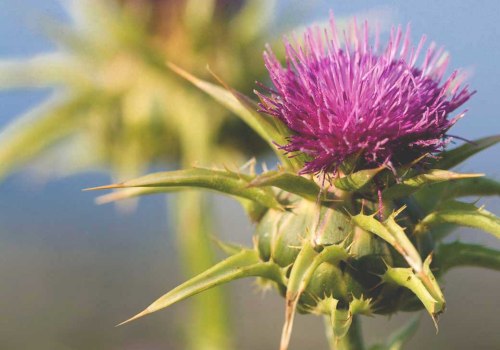
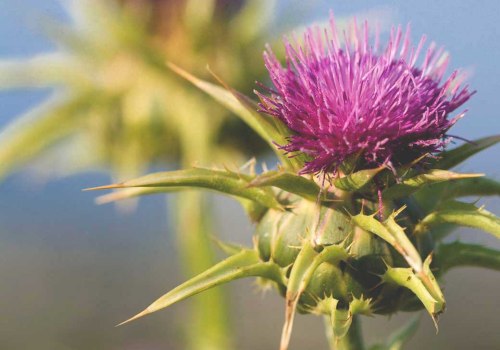
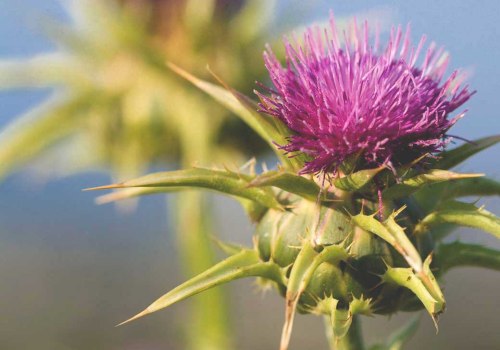
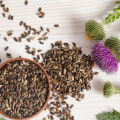
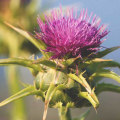
Milk thistle, scientifically known as Silybum marianum, is a flowering plant belonging to the Asteraceae family. This herb is native to Mediterranean regions but has since spread to various parts of the world, including North America. Characterized by its striking purple flowers and distinctive spiky leaves, milk thistle has been revered for centuries not only for its beauty but also for its remarkable health benefits, particularly concerning liver health.The history of milk thistle dates back to ancient times, where it was utilized by Greek and Roman physicians for its medicinal properties. The Greek physician Dioscorides documented its use in the first century AD, highlighting its potential to treat liver ailments and digestive issues.
Over the years, various cultures have embraced milk thistle as a natural remedy, with herbalists in Europe using it to support liver function and detoxification processes. This long-standing tradition underscores the herb's significance in natural medicine.At the heart of milk thistle's therapeutic potential lies a compound called silymarin, which is extracted from the seeds of the plant. Silymarin is known for its potent antioxidant properties, which help protect liver cells from damage caused by toxins and free radicals. This protective effect is particularly crucial in today's world, where exposure to environmental pollutants and unhealthy lifestyles can compromise liver health.
Understanding the origins and historical uses of milk thistle sets the stage for exploring its profound benefits for liver health and overall well-being.
The Active Component: Silymarin
Silymarin is the primary active compound found in milk thistle, renowned for its remarkable health benefits, particularly concerning liver health. This complex is a mixture of flavonolignans, which are derived from the seeds of the milk thistle plant (Silybum marianum). The most studied component of silymarin is silybin , which is believed to be responsible for many of its therapeutic effects.One of the most significant silymarin benefits is its potent antioxidant properties. Antioxidants are crucial in combating oxidative stress, a condition that can lead to cellular damage and contribute to various liver diseases.By neutralizing free radicals, silymarin helps protect liver cells from damage caused by toxins, alcohol, and other harmful substances.Moreover, silymarin has been shown to promote liver cell regeneration. Research indicates that it stimulates the production of new liver cells while also enhancing the overall function of existing ones. This regenerative capability is particularly beneficial for individuals suffering from liver conditions such as fatty liver disease or hepatitis.Another important aspect of how silymarin works involves its role in reducing inflammation. Chronic inflammation is a common factor in many liver diseases, and silymarin has been found to inhibit inflammatory pathways, thereby reducing liver inflammation and promoting healing.Additionally, silymarin may improve bile flow, which is essential for digestion and detoxification processes in the liver.
Enhanced bile production can aid in the digestion of fats and the elimination of waste products from the body.In summary, silymarin stands out as a powerful ally for liver health due to its antioxidant, regenerative, anti-inflammatory, and bile-enhancing properties. Understanding how silymarin works not only highlights its importance in herbal medicine but also underscores its potential as a complementary treatment for various liver-related ailments.
Health Benefits of Milk Thistle for the Liver
Milk thistle, scientifically known as Silybum marianum, has garnered significant attention for its remarkable liver benefits. This herb is primarily recognized for its active compound, silymarin , which is derived from the seeds of the milk thistle plant. Silymarin is a potent antioxidant that plays a crucial role in protecting liver cells from damage caused by toxins, alcohol, and other harmful substances.One of the most notable milk thistle liver benefits is its ability to support liver detoxification.The liver is responsible for filtering toxins from the bloodstream, and when it becomes overwhelmed, it can lead to various health issues. Milk thistle aids in enhancing the liver's detoxification processes by promoting the regeneration of liver cells and improving overall liver function.Research indicates that silymarin can help reduce inflammation in the liver, which is essential for maintaining optimal liver health. Chronic inflammation can lead to conditions such as fatty liver disease and cirrhosis. By mitigating inflammation, milk thistle may help prevent these serious liver conditions.Additionally, studies have shown that milk thistle can improve liver function in individuals with liver diseases such as hepatitis C and alcoholic liver disease.
In one clinical trial, patients taking silymarin experienced significant improvements in liver enzyme levels, indicating enhanced liver function.Moreover, milk thistle has been found to have protective effects against oxidative stress. Oxidative stress occurs when there is an imbalance between free radicals and antioxidants in the body, leading to cellular damage. The antioxidant properties of silymarin help neutralize free radicals, thereby protecting liver cells from oxidative damage.In summary, incorporating milk thistle into your wellness routine can provide substantial liver health benefits. Its ability to support detoxification, reduce inflammation, improve liver function, and protect against oxidative stress makes it a valuable ally for anyone looking to enhance their liver health.
Research and Evidence Supporting Milk Thistle's Efficacy
Numerous studies and clinical trials have been conducted to evaluate the benefits of milk thistle for liver health, providing a robust foundation for its use in herbal medicine.One of the most significant components of milk thistle is silymarin , a complex of flavonolignans that has been shown to possess potent antioxidant properties. This section will delve into key research findings that support the efficacy of milk thistle.One notable study published in the journal Hepatology examined the effects of silymarin on patients with chronic liver disease. The randomized controlled trial involved over 200 participants who received either silymarin or a placebo for a duration of six months. The results indicated that those taking silymarin experienced significant improvements in liver function tests, including reductions in serum alanine aminotransferase (ALT) and aspartate aminotransferase (AST) levels, which are markers of liver damage.Another important piece of research was conducted on patients suffering from alcoholic liver disease.
In this double-blind study, participants were given silymarin supplements alongside standard treatment. The findings revealed that silymarin not only improved liver function but also reduced the incidence of complications associated with liver cirrhosis, highlighting its potential as a complementary therapy.Furthermore, a meta-analysis published in The American Journal of Gastroenterology reviewed multiple studies on milk thistle and concluded that it has a statistically significant effect on improving liver function in patients with various liver conditions, including hepatitis C and non-alcoholic fatty liver disease (NAFLD). This analysis underscored the importance of silymarin as a supportive treatment option.In addition to these studies, research has also explored the protective effects of milk thistle against hepatotoxicity caused by certain medications, particularly chemotherapy agents. A clinical trial involving children with acute lymphoblastic leukemia demonstrated that milk thistle could mitigate liver damage induced by chemotherapy, suggesting its role in protecting hepatic health during aggressive treatments.While the evidence supporting the benefits of milk thistle is compelling, it is essential to note that further research is necessary to fully understand its mechanisms and long-term effects.
As with any supplement, individuals should consult healthcare professionals before incorporating milk thistle into their regimen, especially if they have pre-existing health conditions or are taking other medications.
Potential Conditions Treated with Milk Thistle
Milk thistle has garnered attention for its potential benefits in treating various liver conditions. Among these, fatty liver disease and hepatitis are two of the most significant areas where milk thistle may offer therapeutic effects.Milk Thistle for Fatty Liver Disease
Fatty liver disease, characterized by the accumulation of fat in liver cells, can lead to inflammation and liver damage if left untreated. Research suggests that milk thistle may help reduce liver fat and improve overall liver function. The active compound in milk thistle, silymarin , is believed to have antioxidant properties that protect liver cells from oxidative stress and inflammation.- Improved Liver Enzymes: Studies have shown that silymarin can help lower elevated liver enzymes, indicating improved liver health.
- Reduction of Inflammation: By combating oxidative stress, milk thistle may reduce inflammation in the liver, which is crucial for those suffering from fatty liver disease.
- Support for Weight Management: Some evidence suggests that milk thistle may aid in weight loss efforts, which is beneficial since obesity is a significant risk factor for fatty liver disease.
Milk Thistle for Hepatitis
Hepatitis, an inflammation of the liver often caused by viral infections, can lead to serious complications if not managed properly.Milk thistle has been studied for its potential role in supporting individuals with hepatitis, particularly hepatitis C.
- Antiviral Properties: Some studies indicate that silymarin may possess antiviral properties that could help inhibit the replication of hepatitis viruses.
- Liver Protection: Milk thistle's antioxidant effects may protect liver cells from damage caused by the hepatitis virus and other harmful substances.
- Improved Quality of Life: Patients with hepatitis who incorporate milk thistle into their treatment regimen often report improved symptoms and overall well-being.
Other Conditions Treated by Milk Thistle
Apart from fatty liver disease and hepatitis, milk thistle has been explored for its potential benefits in various other conditions:- Cirrhosis: Some studies suggest that milk thistle may help slow the progression of cirrhosis by promoting liver cell regeneration.
- Liver Toxicity: Milk thistle is often used as a protective agent against liver toxicity caused by medications or alcohol consumption.
- Gallbladder Disorders: There is some evidence to suggest that milk thistle may support gallbladder health and function.
How to Use Milk Thistle Safely and Effectively
When considering the incorporation of milk thistle into your health regimen, understanding how to use it safely and effectively is crucial. This herb, renowned for its potential benefits for liver health, can be taken in various forms, including capsules, tablets, and liquid extracts. However, proper dosage and safety precautions are essential to maximize its benefits while minimizing any risks.Recommended Dosage of Milk Thistle
The appropriate dosage of milk thistle can vary based on the form of the supplement and the specific health goals you aim to achieve.Generally, studies suggest a daily dosage ranging from 140 mg to 800 mg of silymarin, the active compound in milk thistle. Here are some common recommendations:
- Capsules/Tablets: Most supplements contain between 140 mg to 300 mg of silymarin per capsule. A typical regimen may involve taking 1-2 capsules two to three times daily.
- Liquid Extracts: If using a tincture or liquid extract, follow the manufacturer’s instructions, which often recommend 1-2 ml taken two to three times a day.
- Standardized Extracts: Look for products standardized to contain at least 70-80% silymarin for optimal effectiveness.
How to Take Milk Thistle
To enhance absorption and effectiveness, consider the following tips when taking milk thistle:- With Food: Taking milk thistle with meals can improve its absorption and reduce potential gastrointestinal discomfort.
- Consistency is Key: For best results, take milk thistle consistently at the same times each day.
- Hydration: Drink plenty of water when taking supplements to aid in digestion and absorption.
Safety Considerations
While milk thistle is generally considered safe for most individuals, there are important safety considerations to keep in mind:- Consult Your Healthcare Provider: Before starting any new supplement, especially if you have existing health conditions or are taking medications, consult with your healthcare provider.
- Pregnancy and Breastfeeding: The safety of milk thistle during pregnancy and breastfeeding has not been well studied; therefore, it is advisable to avoid it unless recommended by a healthcare professional.
- Allergic Reactions: Individuals with allergies to plants in the Asteraceae family (such as ragweed) may experience allergic reactions to milk thistle.
- Potential Interactions: Milk thistle may interact with certain medications, including those metabolized by the liver. Always inform your doctor about any supplements you are taking.
Possible Side Effects and Interactions
While milk thistle is widely recognized for its potential benefits in supporting liver health, it is essential to be aware of possible side effects and interactions with other medications.Understanding these factors can help ensure safe consumption practices and maximize the herb's therapeutic effects.
Possible Side Effects
- Gastrointestinal Issues: Some individuals may experience digestive discomfort, including nausea, diarrhea, or bloating after taking milk thistle. These symptoms are generally mild and may subside as the body adjusts to the supplement.
- Allergic Reactions: Although rare, allergic reactions can occur. Symptoms may include rash, itching, or swelling. If you experience any severe allergic reactions, such as difficulty breathing, seek medical attention immediately.
- Hormonal Effects: Milk thistle may have estrogenic properties, which could potentially affect hormone levels.
Individuals with hormone-sensitive conditions should consult a healthcare provider before using this herb.
- Headaches: Some users report experiencing headaches after taking milk thistle. This side effect may be linked to individual sensitivity or dosage.
Interactions with Medications
Milk thistle can interact with various medications, which may alter their effectiveness or increase the risk of side effects. Here are some key interactions to consider:
- Anticoagulants: Milk thistle may enhance the effects of blood-thinning medications like warfarin, increasing the risk of bleeding. Regular monitoring by a healthcare provider is advisable if you are on anticoagulant therapy.
- Antidiabetic Medications: The herb may lower blood sugar levels, which could lead to hypoglycemia when taken alongside diabetes medications.
Patients should monitor their blood sugar levels closely.
- Certain Antidepressants: Milk thistle might affect the metabolism of some antidepressants, potentially altering their effectiveness. Consult your doctor if you are taking these medications.
Contraindications of Milk Thistle
Certain populations should exercise caution or avoid milk thistle altogether:
- Pregnant and Nursing Women: Due to insufficient research on its safety during pregnancy and lactation, it is best for women in these categories to avoid milk thistle unless advised otherwise by a healthcare professional.
- Individuals with Allergies to Asteraceae Family: Those who are allergic to plants in the Asteraceae family (such as ragweed) may also react adversely to milk thistle.
FAQs About Milk Thistle and Liver Health
As interest in milk thistle continues to grow, many people have questions about its safety, efficacy, and role in liver health. Below are some of the most frequently asked questions regarding this powerful herb.Is Milk Thistle Safe for Everyone?
While milk thistle is generally considered safe for most individuals, there are certain groups who should exercise caution.Pregnant or breastfeeding women are advised to consult their healthcare provider before using milk thistle, as its effects on fetal and infant health are not well-studied. Additionally, individuals with allergies to plants in the Asteraceae family, which includes ragweed, daisies, and marigolds, may experience allergic reactions to milk thistle.People taking medications that affect the liver should also consult their doctor before starting milk thistle. This is because milk thistle can interact with certain medications, potentially altering their effectiveness. Always discuss any new supplement with your healthcare provider to ensure it is appropriate for your specific health needs.
Can Milk Thistle Cure Liver Disease?
It is important to clarify that while milk thistle has shown promise in supporting liver health and function, it is not a cure for liver disease.Research indicates that milk thistle may help improve liver function and protect against damage from toxins, but it should not be viewed as a standalone treatment for serious liver conditions such as cirrhosis or hepatitis.Instead, milk thistle can be used as a complementary approach alongside conventional treatments prescribed by healthcare professionals. It is essential for individuals with liver disease to follow their doctor's recommendations and consider lifestyle changes such as a balanced diet and regular exercise to support overall liver health.
What Are the Common Benefits of Milk Thistle?
- Antioxidant Properties: Milk thistle contains silymarin, which has potent antioxidant effects that help combat oxidative stress in the liver.
- Liver Regeneration: Some studies suggest that milk thistle may promote the regeneration of liver cells damaged by toxins or disease.
- Support for Alcohol-Related Damage: Research indicates that milk thistle may help mitigate damage caused by excessive alcohol consumption.
Conclusion: The Role of Milk Thistle in Liver Health Maintenance
In summary, the benefits of milk thistle for liver health are both profound and multifaceted. This remarkable herb, primarily known for its active compound silybin, has been utilized for centuries to support liver function and promote overall wellness. As we have explored throughout this article, milk thistle offers a range of advantages that can significantly contribute to maintaining a healthy liver.One of the most compelling aspects of milk thistle is its ability to act as a potent antioxidant.By combating oxidative stress, it helps protect liver cells from damage caused by free radicals and toxins. This protective effect is particularly crucial for individuals exposed to environmental pollutants, alcohol, and certain medications that can strain liver function.Moreover, research indicates that milk thistle may aid in the regeneration of liver cells, enhancing the organ's ability to recover from injury or disease. This regenerative property is vital for those suffering from liver conditions such as fatty liver disease or hepatitis. Additionally, studies suggest that milk thistle can improve liver enzyme levels, which is an essential marker of liver health.It is also important to recognize that while milk thistle can be a valuable addition to a liver health regimen, it should not be viewed as a standalone solution.
A holistic approach that includes a balanced diet, regular exercise, and avoidance of harmful substances is crucial for optimal liver function. Integrating milk thistle into this comprehensive strategy can amplify its benefits.As you consider incorporating milk thistle into your health routine, it is advisable to consult with a healthcare professional. They can provide personalized guidance based on your individual health needs and conditions. In conclusion, the role of milk thistle in maintaining liver health is significant and warrants attention as part of a broader commitment to wellness.