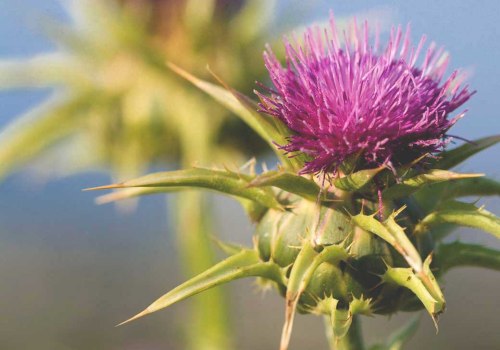
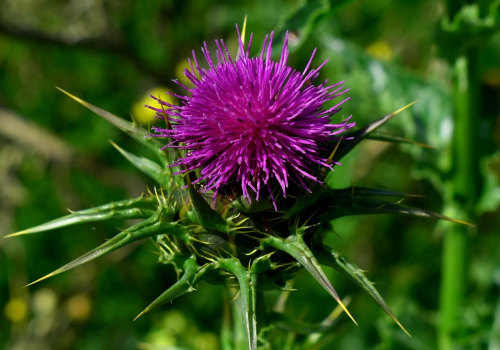
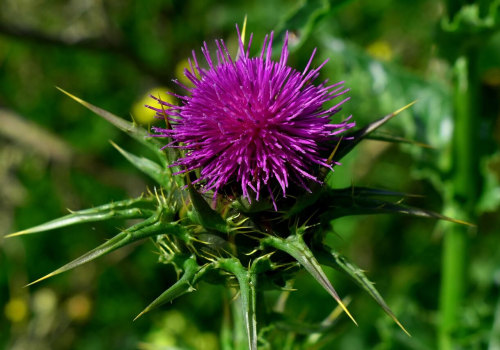
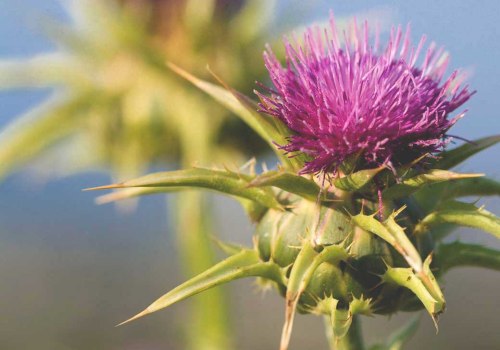
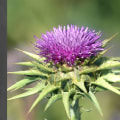
Milk thistle, scientifically known as Silybum marianum, is a flowering herb that has been revered for centuries for its potential health benefits, particularly in relation to liver health. This plant, characterized by its striking purple flowers and spiky leaves, has a rich history that dates back to ancient Greece and Rome, where it was used not only as a food source but also as a remedy for various ailments. The seeds of milk thistle contain a powerful compound called silymarin , which is believed to be responsible for many of its therapeutic properties.Historically, milk thistle has been utilized in traditional medicine systems across Europe and the Mediterranean region. Ancient herbalists recognized its ability to support liver function and detoxification processes.
In fact, it was often prescribed for conditions such as jaundice and liver cirrhosis. Over the years, this herb has gained popularity in modern herbal medicine, with many people turning to it as a natural supplement to promote overall health and well-being.In contemporary times, the significance of milk thistle extends beyond its historical uses. It has become a focal point of research aimed at understanding its potential benefits and mechanisms of action. As we delve deeper into the world of herbal remedies, it is essential to separate fact from fiction regarding the claims surrounding milk thistle.
While many enthusiasts tout its benefits for liver health, detoxification, and even skin improvement, scientific evidence varies widely. This section will lay the groundwork for exploring these claims in detail, providing a comprehensive overview of what milk thistle truly offers.
The Science Behind Milk Thistle: Key Components
Milk thistle, scientifically known as Silybum marianum, is a flowering herb that has been utilized for centuries in traditional medicine, particularly for its liver-protective properties. The primary active ingredient in milk thistle is silymarin , a complex of flavonoids that includes silibinin, silidianin, and silicristin. Understanding the components of silymarin is essential to grasping how milk thistle exerts its health benefits.Silymarin
is renowned for its antioxidant, anti-inflammatory, and hepatoprotective effects.
Research indicates that silymarin can help stabilize cell membranes and promote the regeneration of liver cells, making it particularly beneficial for individuals suffering from liver diseases such as hepatitis and cirrhosis. By acting as a free radical scavenger, silymarin helps to neutralize harmful compounds that can lead to oxidative stress and cellular damage.One of the key mechanisms through which silymarin operates is by enhancing the activity of certain enzymes involved in detoxification processes. This includes increasing levels of glutathione, a powerful antioxidant that plays a crucial role in detoxifying harmful substances in the liver. Additionally, silymarin has been shown to inhibit the binding of toxins to liver cells, thereby reducing their potential damage.Moreover, studies have suggested that silymarin may have anti-inflammatory properties that can further support liver health.
Chronic inflammation is often a precursor to various liver conditions, and by mitigating this inflammation, silymarin may help prevent the progression of liver disease.Beyond its effects on liver health, silymarin has also been investigated for its potential benefits in managing conditions such as diabetes and certain types of cancer. For instance, some research indicates that it may improve insulin sensitivity and help regulate blood sugar levels. Furthermore, preliminary studies suggest that silymarin could enhance the efficacy of chemotherapy while reducing side effects associated with cancer treatments.In summary, the active components of milk thistle, particularly silymarin , play a pivotal role in its health benefits. By understanding how these compounds work at a biochemical level, individuals can make more informed decisions regarding the use of milk thistle as a supplement for promoting overall health and well-being.
Health Benefits of Milk Thistle: What Does Research Say?
Milk thistle, scientifically known as Silybum marianum, has garnered significant attention for its potential health benefits, particularly concerning liver health and detoxification.The active compound in milk thistle, silymarin , is believed to play a crucial role in these benefits, but the extent of its effectiveness is still a topic of ongoing research.One of the most widely recognized benefits of milk thistle is its potential to support liver health. Several studies have indicated that silymarin may help protect liver cells from damage caused by toxins, alcohol, and certain medications. For instance, a systematic review published in the journal Hepatology found that silymarin could improve liver function tests in patients with chronic liver diseases, such as hepatitis C and alcoholic liver disease. However, while some studies report positive outcomes, others have yielded inconclusive results, highlighting the need for further investigation.In addition to its protective effects on the liver, milk thistle is often touted for its detoxification properties.
The herb is thought to enhance the body’s ability to eliminate harmful substances and promote the regeneration of liver cells. A study published in Phytotherapy Research suggested that silymarin could increase glutathione levels, a powerful antioxidant that plays a vital role in detoxification processes. This finding supports the idea that milk thistle may aid in detoxifying the body from various environmental toxins.Despite these promising findings, it is essential to approach the claims surrounding milk thistle with caution. While many individuals report subjective improvements in their health after using milk thistle supplements, scientific evidence remains mixed.
Some researchers argue that more rigorous clinical trials are necessary to establish definitive conclusions about its efficacy.Moreover, it is crucial to consider individual health conditions when evaluating the use of milk thistle. For example, while it may benefit those with liver issues, individuals with certain cancers or hormone-sensitive conditions should consult healthcare professionals before starting any new supplement regimen.In summary, while there is a growing body of research suggesting that milk thistle may offer significant health benefits, particularly for liver health and detoxification, further studies are needed to clarify its effectiveness and safety across different populations. As always, individuals should consult with healthcare providers before incorporating any herbal supplements into their health routines.
Milk Thistle for Liver Health: Fact or Fiction?
Milk thistle, known scientifically as Silybum marianum, has long been heralded for its potential benefits in promoting liver health. However, the question remains: is there substantial evidence to support its use in treating liver diseases such as cirrhosis and hepatitis? To answer this, we must delve into the scientific studies and expert opinions surrounding this herbal remedy.One of the primary components of milk thistle is silymarin , a complex of flavonoids that are believed to have antioxidant properties.These properties are thought to help protect liver cells from damage caused by toxins, alcohol, and certain medications. Some studies suggest that silymarin may aid in the regeneration of liver cells, which is particularly relevant for individuals suffering from chronic liver conditions.
Milk Thistle and Cirrhosis
Cirrhosis, a late-stage liver disease characterized by scarring and impaired liver function, poses significant health risks. While some preliminary studies indicate that milk thistle may improve liver function tests in patients with cirrhosis, the results are not universally accepted. A systematic review published in the journal Hepatology found that while some patients reported improvements in their condition, the overall evidence was inconclusive.This highlights the need for more rigorous clinical trials to establish definitive benefits.
Milk Thistle for Hepatitis
When it comes to hepatitis, particularly chronic hepatitis C, milk thistle has been studied for its potential to enhance treatment outcomes. Some research indicates that silymarin may help reduce liver inflammation and improve liver enzyme levels. However, experts caution against relying solely on milk thistle as a treatment option. The American Association for the Study of Liver Diseases (AASLD) emphasizes that while milk thistle may be a complementary approach, it should not replace conventional medical treatments.In addition to its potential benefits for specific liver diseases, milk thistle is often marketed as a general liver protection supplement.While many users report positive experiences, it is crucial to approach these claims with skepticism due to the lack of regulatory oversight in herbal supplements. Consumers should be aware that not all products are created equal; variations in quality and concentration can significantly affect efficacy.In conclusion, while there is some evidence suggesting that milk thistle may offer benefits for liver health, particularly in cases of cirrhosis and hepatitis, more comprehensive research is needed to validate these claims. Individuals considering milk thistle as a treatment option should consult healthcare professionals to ensure it aligns with their overall health strategy.
Other Potential Benefits of Milk Thistle
While the primary focus of milk thistle has been its potential benefits for liver health, emerging research suggests that this herb may also offer a range of other health advantages. Below, we explore some of the lesser-known benefits of milk thistle, particularly in relation to skin health, diabetes management, and immune support.Milk Thistle and Skin Health
One of the intriguing claims surrounding milk thistle is its potential to improve skin health.The antioxidant properties of silymarin, the active compound in milk thistle, may help combat oxidative stress, which is a significant contributor to skin aging and various skin conditions. Some studies have indicated that milk thistle can aid in reducing inflammation and promoting healing in conditions such as acne and psoriasis.Additionally, milk thistle's ability to support liver function may indirectly benefit the skin. A healthy liver plays a crucial role in detoxifying the body, which can lead to clearer skin. By helping to eliminate toxins more efficiently, milk thistle may contribute to a more radiant complexion.
Milk Thistle for Diabetes Management
Another area where milk thistle shows promise is in the management of diabetes.Research has suggested that silymarin may improve insulin sensitivity and help regulate blood sugar levels. In a study involving individuals with type 2 diabetes, those who took milk thistle supplements experienced significant improvements in their fasting blood glucose levels compared to those who did not.This effect could be attributed to milk thistle's antioxidant properties, which help reduce oxidative stress—a factor that can exacerbate insulin resistance. However, while these findings are promising, it is essential for individuals with diabetes to consult healthcare professionals before incorporating milk thistle into their treatment regimen.
Immune Support from Milk Thistle
The immune system is vital for overall health, and some studies suggest that milk thistle may play a role in enhancing immune function. The anti-inflammatory properties of silymarin can help modulate the immune response, potentially making it beneficial for individuals with autoimmune conditions or those looking to bolster their immune defenses.Moreover, by supporting liver health and detoxification processes, milk thistle may contribute to a more robust immune system.A well-functioning liver helps maintain overall health by filtering out harmful substances and producing essential proteins for immune function.In conclusion, while more research is needed to fully understand the extent of these benefits, preliminary evidence suggests that milk thistle may offer additional advantages beyond liver health. As always, it is advisable to consult with a healthcare provider before starting any new supplement regimen.
Safety and Side Effects of Milk Thistle: What You Need to Know
When considering the use of milk thistle as a supplement, it is crucial to understand its safety profile, potential side effects, and who should avoid it. While many people use milk thistle for its purported health benefits, it is not without risks.Potential Side Effects
- Gastrointestinal Issues: Some users report experiencing digestive problems such as diarrhea, nausea, or bloating after taking milk thistle. These symptoms can vary in severity and may be more pronounced in individuals with sensitive stomachs.
- Allergic Reactions: Although rare, allergic reactions to milk thistle can occur.
Symptoms may include itching, rash, or difficulty breathing. If you experience any of these symptoms after taking the supplement, it is essential to seek medical attention immediately.
- Hormonal Effects: Milk thistle may have estrogen-like effects, which could potentially interfere with hormone-sensitive conditions. This is particularly relevant for individuals with a history of hormone-related cancers.
- Headaches: Some users have reported headaches as a side effect of milk thistle supplementation. This could be due to various factors, including dosage or individual sensitivity.
Who Should Avoid Milk Thistle?
Certain groups of people should exercise caution or avoid milk thistle altogether:
- Pregnant and Nursing Women: The safety of milk thistle during pregnancy and breastfeeding has not been well-studied.
Therefore, it is advisable for women in these categories to consult their healthcare provider before using this supplement.
- Individuals with Hormone-Sensitive Conditions: Those with breast cancer, uterine cancer, ovarian cancer, endometriosis, or uterine fibroids should avoid milk thistle due to its potential estrogenic effects.
- People with Diabetes: Milk thistle may lower blood sugar levels. Individuals with diabetes or those on medications that affect blood sugar should consult their doctor before starting milk thistle to avoid hypoglycemia.
- Allergy-Prone Individuals: If you have known allergies to plants in the Asteraceae family (such as ragweed), you may be at a higher risk for allergic reactions to milk thistle.
Safety of Milk Thistle Supplements
The safety of milk thistle supplements can vary based on the manufacturer and formulation. Since dietary supplements are not regulated by the FDA in the same way as medications, it is essential to choose products from reputable brands that provide third-party testing for quality and purity. Always read labels carefully and consult with a healthcare professional before starting any new supplement regimen.In summary, while milk thistle may offer various health benefits, understanding its potential side effects and contraindications is vital for safe use.
Always prioritize your health by consulting with a healthcare provider before incorporating new supplements into your routine.
How to Use Milk Thistle: Dosage and Forms
When considering the use of milk thistle for its potential health benefits, understanding the appropriate dosage and the various forms available is crucial for maximizing its effectiveness. Here’s a detailed guide on how to use milk thistle safely and effectively.Recommended Dosages
The dosage of milk thistle can vary based on the specific health goals and the form of the supplement. Generally, studies suggest a daily dosage ranging from 140 mg to 800 mg of silymarin, the active compound in milk thistle. Here are some common recommendations:- For liver health: A typical dose is around 420 mg of silymarin per day, often divided into two or three doses.
- For detoxification: Many users find that 300 mg taken three times a day is effective.
- For diabetes management: Studies have used doses of approximately 200 mg to 400 mg daily to improve insulin sensitivity.
Forms of Milk Thistle Supplements
Milk thistle is available in several forms, each with its own advantages:- Capsules and Tablets: These are the most common forms and are convenient for daily use.
They typically contain standardized extracts of silymarin, ensuring consistent dosing.
- Liquid Extracts: These tinctures can be taken directly or added to water or juice. Liquid extracts may offer faster absorption compared to capsules.
- Powdered Form: Milk thistle powder can be mixed into smoothies or other foods. This form allows for flexible dosing but may require careful measurement.
- Tea: Some people prefer brewing milk thistle tea from the seeds. While this may provide some benefits, it typically contains lower concentrations of silymarin compared to extracts.
How to Take Milk Thistle
The method of taking milk thistle can influence its effectiveness.Here are some tips for optimal use:
- Follow Dosage Instructions: Always adhere to the recommended dosage on the product label or as advised by your healthcare provider.
- Taking with Food: Consuming milk thistle with meals may enhance absorption and reduce potential gastrointestinal discomfort.
- Avoiding Interactions: Be cautious if you are taking other medications, especially those metabolized by the liver. Consult your doctor to avoid any adverse interactions.
- Consistency is Key: For best results, take milk thistle consistently over time rather than sporadically.
Common Myths About Milk Thistle Debunked
Despite its popularity, milk thistle is often surrounded by a cloud of myths and misconceptions that can mislead consumers. Understanding the truth behind these claims is essential for anyone considering this herbal supplement.Here, we debunk some of the most common myths about milk thistle.
- Myth 1: Milk Thistle Can Cure Liver Disease
Many people believe that milk thistle is a miracle cure for all liver ailments. While some studies suggest that it may offer protective benefits to the liver, it is not a cure-all. Conditions like cirrhosis or hepatitis require comprehensive medical treatment, and milk thistle should be viewed as a complementary approach rather than a standalone solution. - Myth 2: All Milk Thistle Supplements Are Created Equal
Not all milk thistle products are of the same quality. The concentration of silymarin, the active compound in milk thistle, can vary significantly between brands and formulations.It’s crucial to choose high-quality supplements from reputable manufacturers to ensure efficacy.
- Myth 3: Milk Thistle Has No Side Effects
While many people tolerate milk thistle well, it is not entirely free from side effects. Some users may experience gastrointestinal issues, allergic reactions, or interactions with medications. Consulting with a healthcare provider before starting any new supplement is always advisable. - Myth 4: Milk Thistle Is Safe for Everyone
Certain populations should exercise caution when considering milk thistle. Individuals with hormone-sensitive conditions, such as breast or ovarian cancer, should avoid it due to its estrogenic effects.Pregnant or nursing women should also consult their doctors before use.
- Myth 5: Milk Thistle Is Only for Liver Health
While its primary association is with liver health, milk thistle may offer other potential benefits, including antioxidant properties and support for blood sugar regulation. However, more research is needed to fully understand these effects.
Conclusion: The Bottom Line on Milk Thistle Benefits
In summary, the exploration of milk thistle benefits reveals a complex landscape of potential advantages and limitations. While this herbal remedy has garnered attention for its possible role in supporting liver health and detoxification, it is essential to approach its use with a balanced perspective.Research indicates that milk thistle, primarily through its active compound silymarin, may offer protective effects for the liver, particularly in individuals dealing with conditions such as cirrhosis and chronic hepatitis.However, the evidence remains mixed, with some studies showing promising results while others yield inconclusive findings. This inconsistency highlights the need for further research to establish definitive conclusions regarding its efficacy.Moreover, the claims surrounding milk thistle extend beyond liver health. Some proponents suggest that it can enhance skin health, aid digestion, and even bolster the immune system. Yet, due to the lack of stringent regulation by the U.
S. Food and Drug Administration (FDA), these assertions often lack robust scientific backing. Therefore, consumers should exercise caution and critically evaluate the sources of information regarding these claims.It is also crucial to consider individual health circumstances when contemplating the use of milk thistle. Certain populations, such as those with specific cancers or diabetes, may face risks associated with its consumption.
Consulting with a healthcare professional is vital before starting any supplement regimen to ensure safety and appropriateness based on personal health history.Ultimately, while milk thistle may hold promise as a natural supplement for some individuals, it should not be viewed as a panacea. A well-rounded approach to health that includes a balanced diet, regular exercise, and professional medical advice remains paramount. If you decide to incorporate milk thistle into your wellness routine, doing so under the guidance of a qualified healthcare provider will help maximize its potential benefits while minimizing any risks.